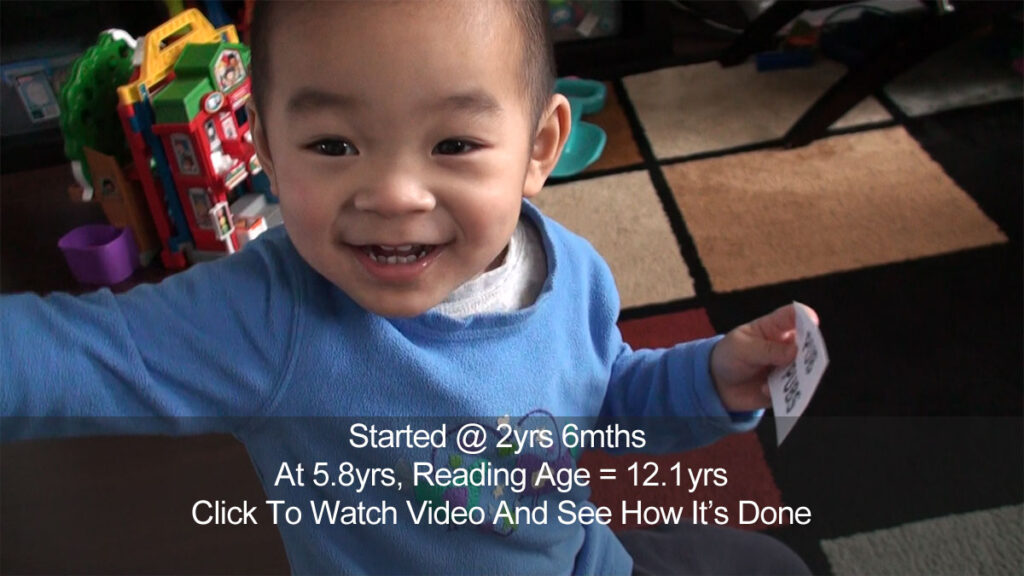
How to Teach a 3 Year Old to Read Playfully
Teaching a 3 year old to read can feel daunting, but it can also be a delightful adventure. With tools like Children Learning Reading Phonics, you can create a fun and engaging experience for your little one.
By incorporating playful techniques and colorful resources, you’ll spark their curiosity while building essential literacy skills. Embrace the journey together as you watch their confidence grow with every word!
Disclosure: This post may contain affiliate links. If you buy through them, we may earn a commission at no extra cost to you.
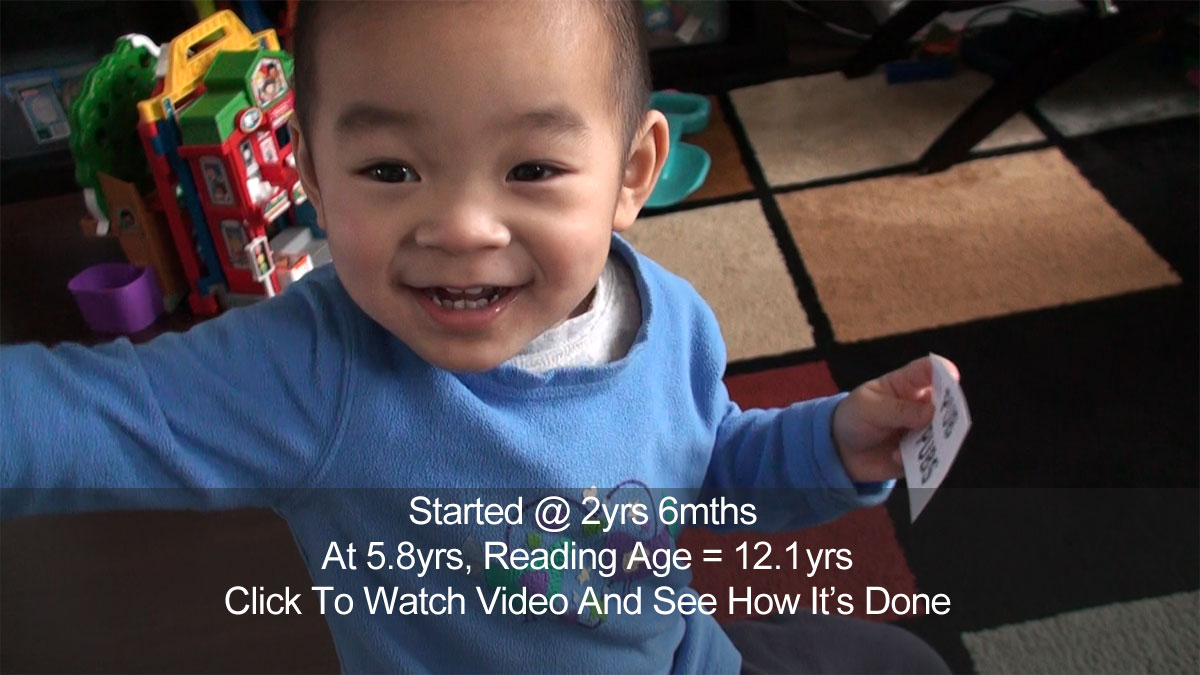
- 32 step-by-step phonics lessons included.
- Engaging lesson videos for easy teaching.
- Fun phonics games to make learning enjoyable.
- Flashcards ready to print and use.
- If you want the fastest route: see the best options and match one to your needs.
- If you’re choosing between two finalists: use the comparison to decide faster.
- For the “start here” option: check the recommended pick.
Explore: Top Pick Review | Also Consider Review
At a Glance: Reading Skills for 3-Year-Olds
- Recognizing letters and their sounds
- Understanding basic phonics
- Identifying simple sight words
- Listening to stories and understanding context
- Engaging in interactive reading activities
Short on time? See the best options → | Compare top picks →
Discover the proven method → →
Learning how to teach a 3 year old to read can be a rewarding experience. By incorporating playful methods, you can foster a love for reading early on. This foundation will also support your child as they progress to how to teach a 4 year old to read and beyond.
Engaging Playful Techniques to Teach Reading
- Engaging lessons for young learners
- Proven phonics methods for success
- Boosts confidence in reading skills
- Fun activities keep kids motivated
To make reading enjoyable, utilize various engaging techniques. Here are some ideas:
- Use colorful books with illustrations that capture their attention.
- Incorporate songs and rhymes to enhance phonemic awareness.
- Play games that involve letter recognition and sounds.
- Encourage storytelling by asking your child to describe pictures.
- Utilize everyday objects to teach letters and words.
Steps to Introduce Phonics Playfully
- Start with letter recognition using flashcards.
- Introduce sounds associated with each letter.
- Practice blending sounds to form simple words.
- Use fun activities like letter scavenger hunts.
- Read aloud daily to reinforce comprehension.
- Encourage your child to sound out words during reading.
- Celebrate small achievements to boost confidence.
What to Do If Your Child is Uninterested
It’s not uncommon for young children to show disinterest in reading. Here are some strategies to reignite their enthusiasm:
- Switch to different types of books that may capture their interest.
- Incorporate their favorite characters into reading activities.
- Limit screen time to encourage more reading opportunities.
- Make reading a part of your daily routine, like bedtime stories.
Troubleshooting Common Reading Challenges
Some children may face challenges while learning to read. Here are common issues and how to address them:
- Difficulty recognizing letters: Use tactile letters for hands-on learning.
- Lack of interest: Find books that align with their hobbies.
- Struggling with phonics: Use songs and rhymes to reinforce sounds.
- Short attention spans: Keep reading sessions brief and engaging.
FAQs About Teaching Reading to Young Kids
What age is best to start teaching reading?
Starting as early as 3 years old can be beneficial. However, every child is different, and readiness varies.
How can I make reading enjoyable for my child?
Incorporate games, songs, and colorful books. Tailor activities to their interests to keep them engaged.
Can I teach my 4 year old to read the same way?
Yes, many techniques for teaching a 3 year old can be adapted for a 4 year old, focusing on more complex phonics.
What is the best way to teach a child to read?
The best way involves a mix of phonics, sight words, and interactive reading. Make it fun and stress-free.
Final Notes on Making Reading Fun
Teaching your child to read can be a delightful journey. Focus on playfulness and engagement to foster a love for reading. As they grow, these foundational skills will support their progress into how to teach a 5 year old to read or even how to teach a 6 year old to read. Remember, patience and encouragement are key to their success.
- 32 step-by-step phonics lessons
- Engaging lesson videos included
- Fun phonics games for learning
- Flashcards and printouts ready to use