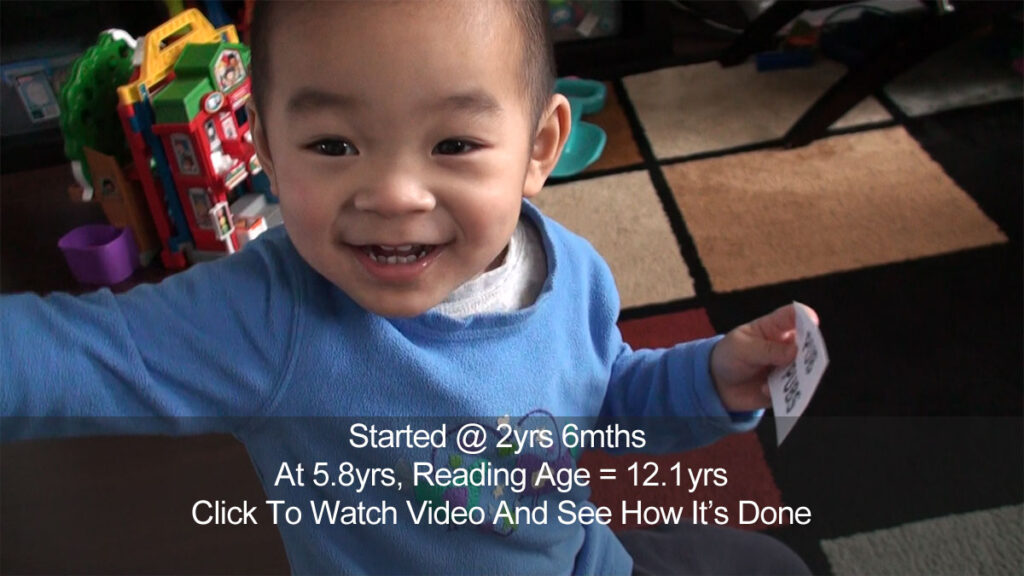
When Do Kids Learn to Read Milestones by Age
Wondering when do kids learn to read? It can be a bit overwhelming as your little one grows, but understanding the milestones by age can help you support their journey.
With tools like Children Learning Reading Phonics, you can encourage their reading skills at home, making it a fun and engaging experience. Let’s explore the typical stages and what you can do to foster a love for reading!
Disclosure: This post may contain affiliate links. If you buy through them, we may earn a commission at no extra cost to you.
- 32 step-by-step phonics lessons included
- Engaging videos to guide your teaching
- Fun activities and games for stress-free learning
- Flashcards ready to print and use immediately
- If you want the fastest route: see the best options and match one to your needs.
- If you’re choosing between two finalists: use the comparison to decide faster.
- For the “start here” option: check the recommended pick.
Explore: Top Pick Review | Also Consider Review
At a Glance: Reading Milestones by Age
- Children typically start recognizing letters by age 2-3.
- By age 4-5, many can understand basic words.
- Most kids begin to read simple sentences by age 6-7.
- Fluency in reading usually develops by age 8-9.
- By age 10, children can read for comprehension.
Short on time? See the best options → | Compare top picks →
Discover the joy of reading → →
Understanding when do kids learn to read is essential for parents. Each child develops at their own pace, but there are general milestones to consider. Encouraging reading through various activities can greatly aid in their development.
Steps to Teach Your Child to Read
- Engaging lessons designed for young learners
- Proven phonics strategies for effective learning
- Interactive activities that keep kids motivated
- Flexible learning at your child's pace
- Start with letter recognition and sounds.
- Introduce simple words through flashcards.
- Use learn to read books for kids that are age-appropriate.
- Engage in phonics through games like the leapfrog learn to read phonics desk.
- Encourage daily reading habits.
- Use interactive methods, such as storytelling.
- Practice regularly to build confidence.
These steps provide a structured approach on how to teach a child to read. Consistency and patience are key to fostering a love for reading.
Fun Games to Encourage Reading Skills
Incorporating games can make learning to read enjoyable. Consider these options:
- Phonics bingo to match sounds with letters.
- Word scavenger hunts around the house.
- Interactive storytelling apps that engage children.
- Board games focused on letter recognition.
- Online learn to read games for kids that are educational and fun.
These activities can enhance your child’s reading skills while keeping them entertained.
Choosing the Right Books for Young Readers
Selecting the right materials is crucial. Look for books that:
- Match your child’s reading level.
- Include colorful illustrations to capture interest.
- Feature repetitive phrases to build confidence.
- Introduce new vocabulary gradually.
- Encourage interaction through questions.
Books should be engaging and relatable to your child’s interests, making reading a pleasurable experience.
Common Pitfalls When Teaching Reading
- Rushing the learning process.
- Focusing too much on phonics without context.
- Ignoring the child’s interests in book selection.
- Not providing enough practice opportunities.
- Becoming frustrated or impatient during lessons.
Avoiding these pitfalls can help create a positive learning environment for your child.
FAQs About Kids Learning to Read
What age should my child start learning to read?
Most children begin learning to read between ages 4 and 6. However, early exposure to letters and sounds can start as early as age 2.
How can I make reading fun for my child?
Incorporate games, choose engaging books, and make reading a shared activity. Storytime can be a special bonding experience.
Can I teach my toddler to read?
Yes, you can start teaching a toddler to read by introducing letters and sounds through play and engaging activities.
How can phonics help my child learn to read?
Phonics teaches the relationship between letters and sounds, providing a foundation for decoding words and improving reading skills.
What to Do Next: Supporting Your Child’s Journey
Support your child’s reading journey by being patient and encouraging. Create a reading-friendly environment at home. Regularly read together and celebrate their progress.
Utilize resources such as learn to read books for kids and interactive games. Engaging your child in various ways will foster a love for reading that lasts a lifetime.
- 32 step-by-step phonics lessons included
- Fun activities and engaging games
- Flashcards ready for instant teaching
- Lesson videos for easy following