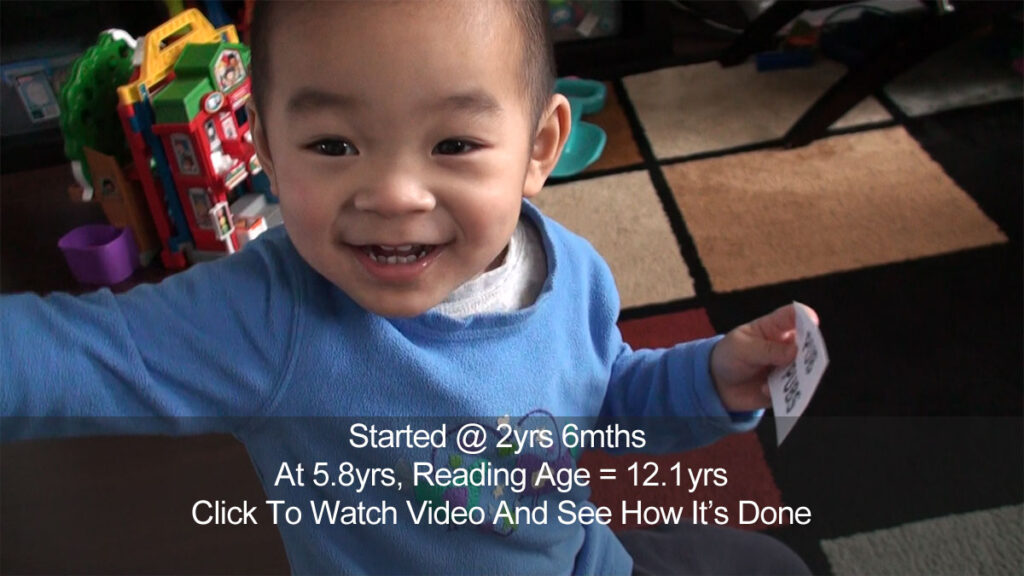
What Is Phonics A Parent Friendly Guide
Understanding what phonics is can be a game-changer for your child’s reading journey. It’s that essential skill that unlocks the world of words, making reading not just a task, but an adventure.
You might be wondering how to support your child in mastering this foundational skill. With resources like Children Learning Reading Phonics, you can guide them toward confident reading and endless possibilities.
Disclosure: This post may contain affiliate links. If you buy through them, we may earn a commission at no extra cost to you.
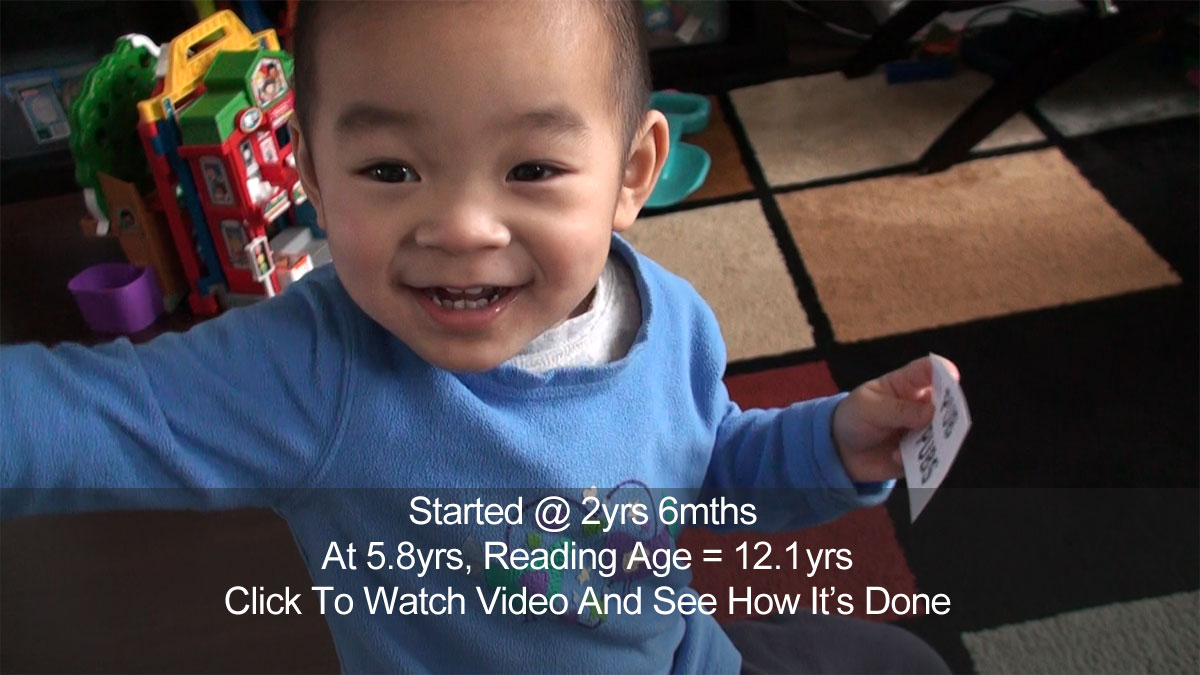
- 32 step-by-step phonics lessons included
- Engaging flashcards and printouts for easy teaching
- Lesson videos simplify the learning process
- Fun activities make reading enjoyable
- If you want the fastest route: see the best options and match one to your needs.
- If you’re choosing between two finalists: use the comparison to decide faster.
- For the “start here” option: check the recommended pick.
Explore: Top Pick Review | Also Consider Review
At a Glance: Understanding Phonics
- Phonics teaches the relationship between letters and sounds.
- It is essential for developing reading skills.
- Children learn to decode words through phonics.
- Systematic phonics instruction is highly effective.
- Phonics blends help children read more fluently.
- Engaging activities can make phonics fun.
Short on time? See the best options → | Compare top picks →
So, what is phonics? It is a method used to teach reading by focusing on the sounds that letters make. Understanding letter sounds phonics is crucial for children as they begin their reading journey. This guide will provide parents with valuable insights into teaching phonics effectively.
Essential Steps to Teach Letter Sounds
- Engaging lessons that captivate young minds.
- Easy-to-follow activities for all learning styles.
- Supports early literacy development effectively.
- Boosts confidence in reading skills quickly.
- Introduce the alphabet and its corresponding sounds.
- Use visual aids like flashcards to reinforce learning.
- Practice blending sounds to form simple words.
- Encourage repetition to build confidence.
- Incorporate games to make learning enjoyable.
- Assess progress regularly to identify areas needing improvement.
These steps will help you understand how do you teach phonics effectively, laying a strong foundation for your child’s reading skills.
How to Implement Synthetic Phonics
Synthetic phonics involves teaching children to synthesize sounds to form words. Start by breaking words into their individual sounds, then blend them back together. This method emphasizes teaching letter sounds phonics systematically, ensuring children grasp the fundamentals of reading.
Begin with simple, one-syllable words. Use engaging stories and activities to maintain interest. Regular practice will enhance their reading abilities and confidence.
Exploring Phonics Rules for Beginners
Phonics rules are essential for helping children decode unfamiliar words. Here are a few key rules:
- Short vowels are typically pronounced in one way (e.g., ‘a’ in ‘cat’).
- Consonants usually have a consistent sound (e.g., ‘b’ in ‘bat’).
- When two vowels are together, the first one is usually long (e.g., ‘ai’ in ‘rain’).
- Silent letters can change the pronunciation of a word (e.g., ‘k’ in ‘knight’).
Understanding these rules will assist children in decoding words, making reading easier and more enjoyable.
Common Mistakes When Teaching Phonics
- Skipping the basics of letter sounds.
- Overloading with too many rules at once.
- Neglecting to practice blending sounds.
- Failing to make learning fun and engaging.
Avoiding these mistakes will help create a more effective learning environment for your child.
Fun Ways to Practice Phonics Blends
Phonics blends can be practiced through various fun activities. Here are some ideas:
- Use rhyming games to reinforce sound recognition.
- Create simple word puzzles that involve blending sounds.
- Incorporate songs that emphasize phonics blends.
- Utilize interactive apps or online resources designed for phonics practice.
These activities will help children enjoy learning and improve their reading skills simultaneously.
FAQs About Phonics for Parents
What is phonics and why is it important?
Phonics is a method for teaching reading that focuses on the sounds of letters. It is important because it helps children decode words and develop strong reading skills.
How do you teach phonics effectively?
Effective phonics teaching involves systematic instruction, using engaging materials, and providing plenty of practice opportunities. Incorporating games and activities can also enhance learning.
Final Thoughts on Phonics Education
In conclusion, understanding what is phonics is crucial for parents aiming to support their children’s reading development. By following the steps outlined in this guide, you can create a positive and effective learning environment. Remember, patience and consistency are key as your child embarks on their reading journey.
- 32 step-by-step phonics lessons included
- Engaging lesson videos for easy teaching
- Fun phonics games that kids love
- Flashcards and printouts ready to use