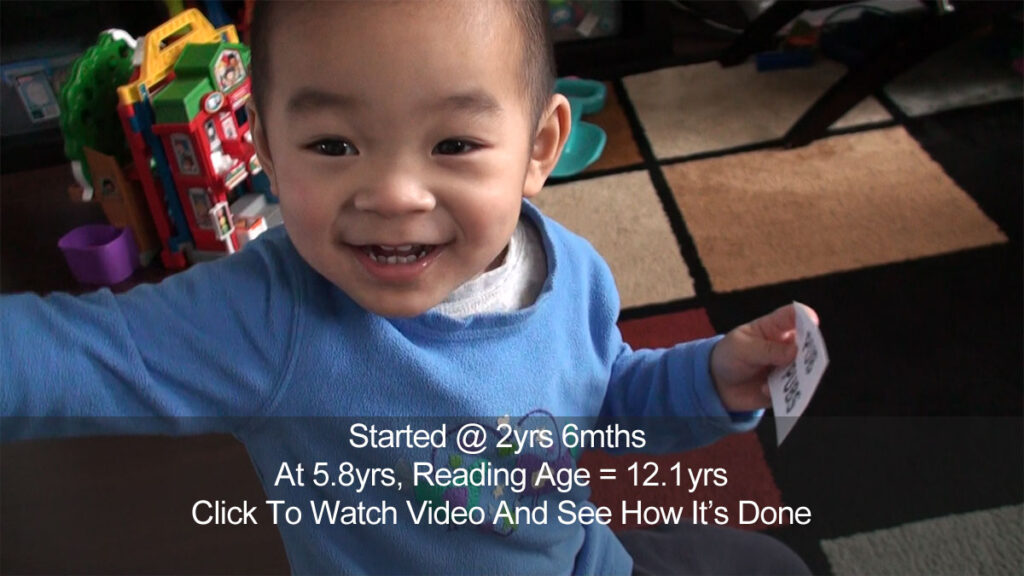
Best Phonics Programs for Kids Home and Classroom
Finding the best phonics programs can feel overwhelming, especially with so many options available. However, investing time in choosing the right one can make a significant difference in your child's reading journey.
Whether you're enhancing a classroom environment or creating a home learning space, effective programs like Children Learning Reading Phonics can provide essential building blocks. Empower your child with skills that make reading a joyful experience.
Disclosure: This post may contain affiliate links. If you buy through them, we may earn a commission at no extra cost to you.
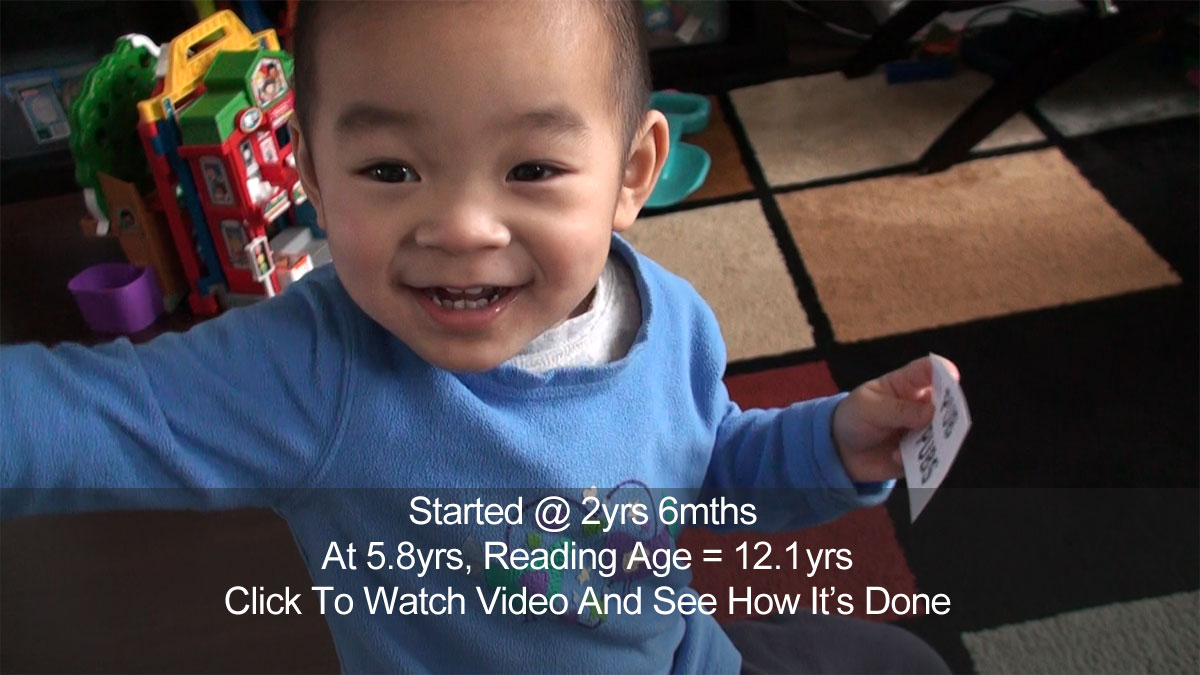
- 32 step-by-step phonics lessons included.
- Engaging lesson videos for easy teaching.
- Fun games that make learning enjoyable.
- Flashcards and printouts ready to use.
- If you want the fastest route: see the best options and match one to your needs.
- If you’re choosing between two finalists: use the comparison to decide faster.
- For the “start here” option: check the recommended pick.
Explore: Top Pick Review | Also Consider Review
Key Takeaways on Phonics Programs
- Phonics is essential for developing reading skills.
- Effective phonics programs focus on letter sounds phonics.
- Systematic phonics instruction enhances comprehension.
- Synthetic phonics helps children decode words efficiently.
- Regular practice fosters confidence in young readers.
- Engaging activities make learning phonics fun.
- Choosing the right program is crucial for success.
Short on time? See the best options → | Compare top picks →
Discover the program details → →
Understanding Phonics: Myths and Realities
- Engaging lessons that captivate young minds
- Proven phonics techniques for early readers
- Supports language development and comprehension
- Flexible learning to fit your child's pace
Many people wonder what is phonics and its significance in reading. Phonics is a method that teaches the relationship between sounds and their corresponding letters. It is critical for helping children decode new words and improve their reading fluency.
Some myths suggest that phonics is outdated or ineffective. In reality, phonics is a foundational skill that supports reading comprehension and overall literacy development. Understanding phonics rules is vital for both teachers and parents.
Steps to Implement Effective Phonics Lessons
- Start with basic letter sounds phonics.
- Introduce phonics rules gradually.
- Use engaging materials, such as flashcards and storybooks.
- Incorporate interactive games to reinforce learning.
- Provide consistent practice through daily reading activities.
- Assess progress regularly to adjust teaching methods.
- Encourage parents to participate in home reading sessions.
Common Misconceptions About Teaching Phonics
- Phonics is only for young children.
- Phonics instruction is not necessary for fluent readers.
- All phonics programs are the same in effectiveness.
- Phonics learning should be isolated from other reading strategies.
- Children will learn to read without any phonics instruction.
How to Choose the Right Phonics Program
Selecting the best phonics programs involves considering several factors. Look for programs that offer a systematic approach to teaching phonics. Ensure that they provide a balance of synthetic phonics and other reading strategies.
Additionally, seek programs that include engaging materials and resources. These can enhance the learning experience and keep children motivated. Reading programs should also allow for easy tracking of progress.
FAQs About Phonics Teaching Methods
What is phonics and why is it important?
Phonics is a method of teaching reading that focuses on the relationship between letters and sounds. It is crucial because it helps children decode words, which is essential for reading fluency and comprehension.
How do you teach phonics effectively?
Teaching phonics effectively involves systematic instruction that builds on letter sounds. Use engaging materials and regular practice to reinforce learning. Incorporating games and interactive activities can also enhance the teaching process.
What are synthetic phonics?
Synthetic phonics is a method where children learn to convert letters into sounds and blend them to form words. This approach is effective for helping children decode unfamiliar words.
What are phonics rules?
Phonics rules are guidelines that help children understand how sounds correspond to letters and combinations of letters. These rules assist in decoding words and improving reading skills.
Final Notes on Selecting Phonics Programs
Choosing the right phonics program can significantly impact a child’s reading journey. Focus on programs that are systematic, engaging, and adaptable to different learning styles. With the right tools, children can develop essential reading skills and gain confidence.
- 32 step-by-step phonics lessons
- Engaging lesson videos included
- Fun phonics games for stress-free learning
- Flashcards and printouts for easy teaching