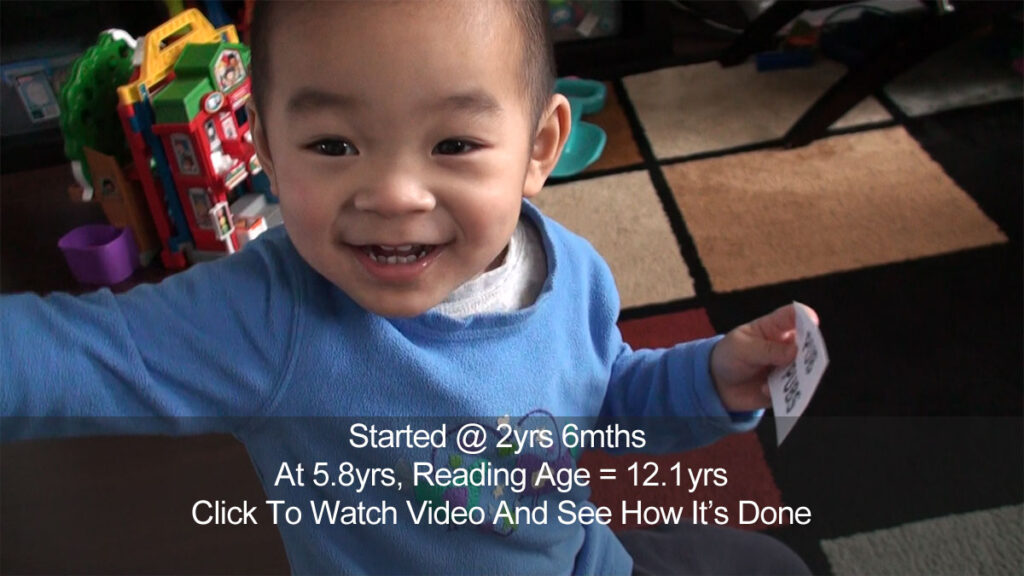
Best Way to Teach a Child to Read Evidence Based
Finding the best way to teach a child to read can feel overwhelming with so much information out there. However, using effective methods like Children Learning Reading Phonics can make the process enjoyable and rewarding for both you and your child.
As you embark on this journey together, you'll discover straightforward techniques that foster a love for reading. Embrace the joy of witnessing your child unlock the world of stories and knowledge through the right guidance.
Disclosure: This post may contain affiliate links. If you buy through them, we may earn a commission at no extra cost to you.
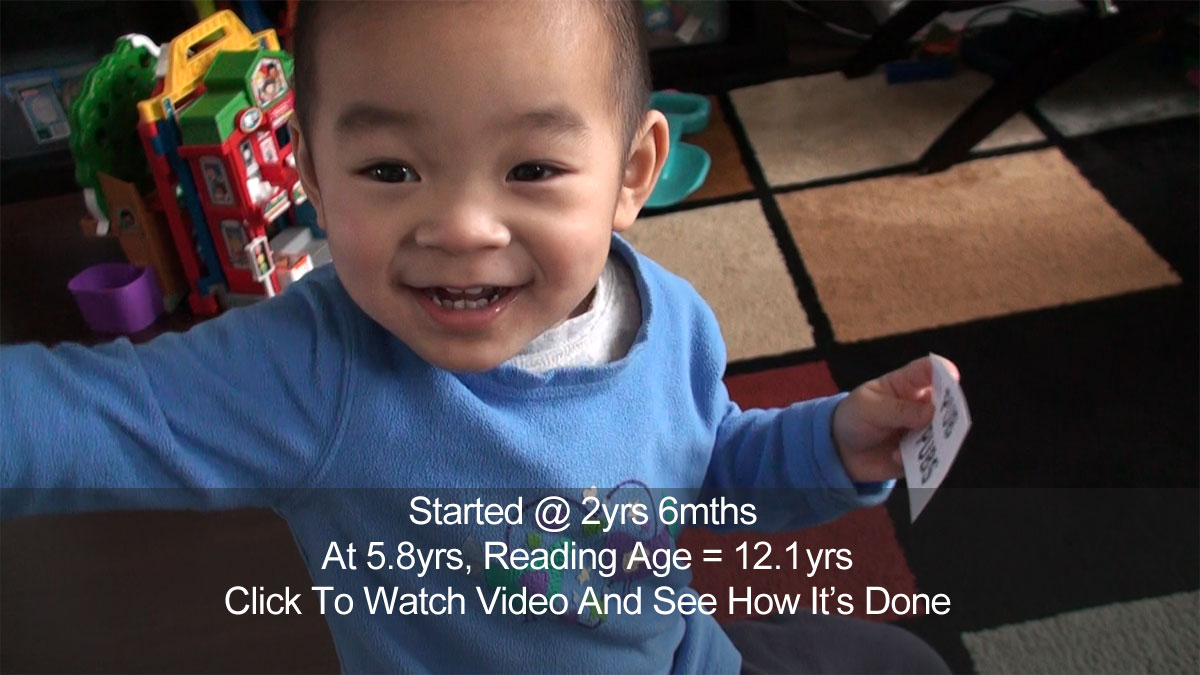
- 32 step-by-step phonics lessons
- Engaging lesson videos included
- Fun phonics games for stress-free learning
- Flashcards for easy teaching
- If you want the fastest route: see the best options and match one to your needs.
- If you’re choosing between two finalists: use the comparison to decide faster.
- For the “start here” option: check the recommended pick.
Explore: Top Pick Review | Also Consider Review
In a Nutshell: Effective Reading Strategies
- Start early for the best results.
- Use phonics as a foundational approach.
- Incorporate fun games and activities.
- Read aloud daily to build comprehension.
- Be patient and supportive throughout the process.
Short on time? See the best options → | Compare top picks →
Discover the Phonics Program → →
The best way to teach a child to read involves a combination of phonics, engaging activities, and consistent practice. By focusing on these elements, you can effectively teach your child how to read, starting from a young age. Whether you are looking to teach your child how to read in 100 easy lessons or simply want to help them develop early reading skills, this guide will provide valuable insights.
Practical Steps to Teach Reading
- Engaging lessons for young learners
- Proven phonics strategies for success
- Boosts confidence in reading abilities
- Flexible learning at your own pace
- Choose age-appropriate books that interest your child.
- Introduce phonics by teaching letter sounds and blends.
- Practice sight words to improve recognition.
- Encourage daily reading sessions, even if short.
- Use interactive games to reinforce skills.
- Discuss the stories to enhance comprehension.
- Celebrate progress, no matter how small.
Identifying Reading Challenges
It’s important to recognize when a child may be struggling with reading. Look for signs such as:
- Difficulty recognizing letters and sounds.
- Lack of interest in reading activities.
- Struggles with phonics or sight words.
- Frustration or avoidance when asked to read.
If you notice these challenges, consider adjusting your approach or seeking additional resources to support your child’s learning.
Creating a Supportive Reading Environment
A conducive reading environment can significantly enhance learning. Here are some tips:
- Designate a quiet, comfortable reading space.
- Provide a variety of reading materials, including books and magazines.
- Limit distractions during reading time.
- Encourage family reading time to foster a love for books.
By creating this environment, you will help your child feel more at ease and motivated to read.
Common Mistakes When Teaching Reading
- Rushing through lessons without ensuring understanding.
- Focusing solely on phonics without comprehension activities.
- Neglecting to make reading enjoyable.
- Overlooking the importance of daily practice.
Avoiding these pitfalls can lead to a more effective reading experience for your child.
FAQs About Teaching Kids to Read
What age should I start teaching my child to read?
It’s beneficial to start as early as possible, often around ages 3 to 4, but every child is different.
How can I make reading fun for my child?
Incorporate games, interactive activities, and choose books that align with their interests to keep reading enjoyable.
Can I teach my toddler to read?
Yes, teaching a toddler to read is possible through phonics and engaging activities suited for their age.
What are some effective strategies for teaching a 5-year-old to read?
Focus on phonics, sight words, and daily reading sessions while keeping the learning process fun and interactive.
Final Notes on Teaching Reading
Teaching your child to read is a rewarding journey. By utilizing effective strategies and being patient, you can help them develop strong reading skills. Remember, the best way to teach a child to read is to create a positive and supportive learning environment. Celebrate their progress and enjoy the process together.
- 32 step-by-step phonics lessons included
- Engaging games make learning fun
- Flashcards and printouts for easy teaching
- Video lessons for clear guidance