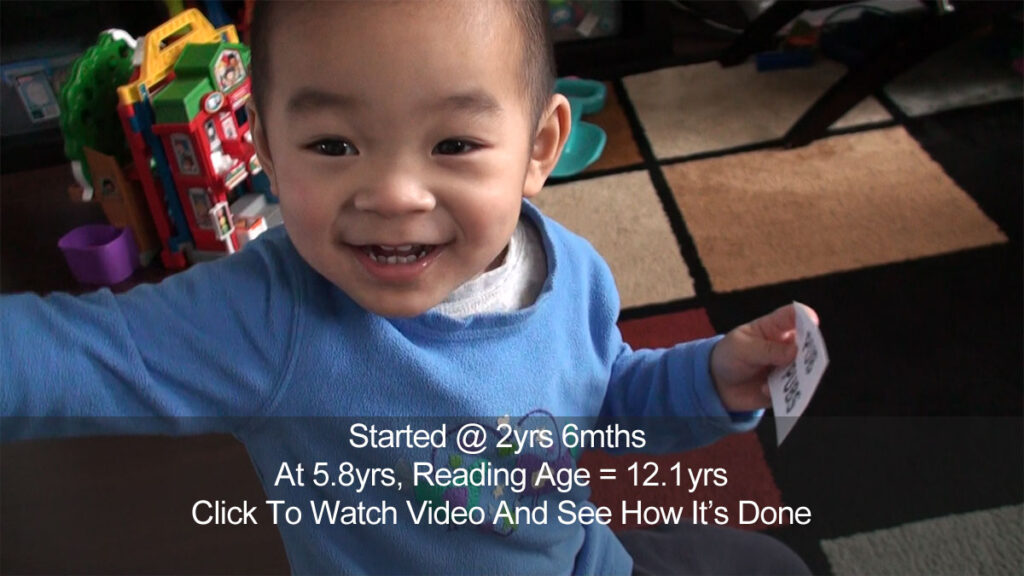
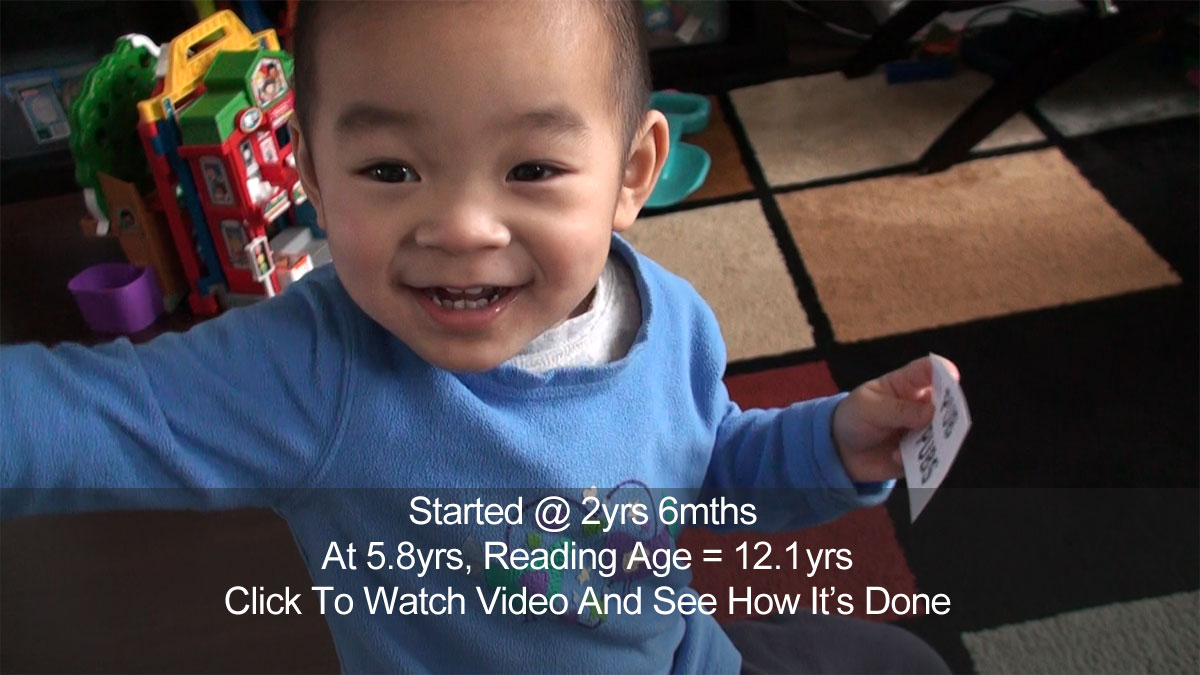
Can a Baby Read What Research Says and What Helps
Can a baby read? It’s a question that sparks curiosity for many parents eager to nurture their child’s development. While the idea might seem ambitious, research hints at the fascinating potential of early literacy with the right tools.
Exploring effective programs like Children Learning Reading Phonics can support your little one on their reading journey. Understanding their unique learning pace can transform these early moments into a joyful adventure.
Disclosure: This post may contain affiliate links. If you buy through them, we may earn a commission at no extra cost to you.
- 32 step-by-step phonics lessons included.
- Engaging games make learning fun.
- Instant access to digital materials.
- Proven methods backed by research.
- If you want the fastest route: see the best options and match one to your needs.
- If you’re choosing between two finalists: use the comparison to decide faster.
- For the “start here” option: check the recommended pick.
Explore: Top Pick Review | Also Consider Review
In a Nutshell: Baby Reading Insights
- Babies can recognize letters and words as early as 6 months.
- Reading to babies fosters language development.
- Early exposure to books enhances cognitive skills.
- Interactive reading engages a child’s attention.
- Consistency in reading practice is key.
- Teaching a toddler to read requires patience.
- Start with simple phonics for young children.
Short on time? See the best options → | Compare top picks →
Discover the program details → →
The question of can a baby read is often met with skepticism. However, research indicates that babies can begin to understand the basics of reading through exposure and interaction. This early engagement sets the foundation for later reading skills.
Steps to Support Early Reading Skills
- Engaging lessons designed for young learners.
- Proven methods that make reading fun.
- Boosts confidence with every new word.
- Supports early literacy development effectively.
- Read aloud daily to your baby to develop listening skills.
- Choose colorful and engaging books with simple text.
- Encourage your child to point at pictures and words.
- Utilize rhymes and songs to make learning fun.
- Incorporate phonics games to teach letter sounds.
- Make reading a routine to establish habits.
- Be patient and celebrate small achievements.
Understanding how to teach a child to read starts with these simple steps. Engaging with your child during reading time can significantly enhance their learning experience.
Identifying Reading Readiness in Babies
Reading readiness varies among babies. Signs include:
- Interest in books or printed material.
- Ability to recognize familiar words and letters.
- Enjoyment of listening to stories.
- Willingness to participate in reading activities.
Recognizing these signs can help you gauge when to start teaching a toddler to read.
Common Misconceptions About Baby Reading
- Only older children can learn to read.
- Reading to babies is not beneficial.
- All children learn at the same pace.
- Reading is only about recognizing words.
These misconceptions can hinder a child’s reading journey. Understanding the truth behind them can foster a more supportive learning environment.
Mistakes to Avoid When Teaching Reading
- Rushing the learning process.
- Using overly complex materials too soon.
- Neglecting to make reading enjoyable.
- Ignoring the child’s interests in book selection.
- Forgetting to incorporate play in learning.
Avoiding these common pitfalls can make a significant difference in how to teach a 3 year old to read effectively.
FAQs About Teaching Babies to Read
Can a baby really learn to read?
Yes, babies can learn to recognize letters and words through early exposure and interaction with books.
What age should I start teaching my child to read?
Starting as early as six months is beneficial, but consistent reading habits can be established at any age.
How can I make reading fun for my baby?
Use colorful books, interactive stories, and engage in playful reading activities to make it enjoyable.
Is it normal for children to learn at different speeds?
Yes, every child is unique and will progress at their own pace when learning to read.
Final Thoughts on Nurturing Reading Skills
In conclusion, nurturing early reading skills is a rewarding journey. By understanding the signs of reading readiness and employing effective teaching methods, you can help your child thrive. Remember, the goal is to create a positive and engaging reading experience that fosters a lifelong love of books.
- 32 step-by-step phonics lessons
- Engaging games make learning fun
- Instant access to digital materials
- Proven methods for all ages