Comprehensive Review of Children Learning Reading Phonics Program
Children Learning Reading Phonics can be a wonderful tool to help your little ones develop essential reading skills. However, navigating through various programs can feel overwhelming, leaving you wondering what truly works best.
This comprehensive review aims to break down the key features and benefits of the program, ensuring you have a clear understanding of its effectiveness. By the end, you’ll feel more confident in guiding your child’s reading journey.
Disclosure: This post may contain affiliate links. If you buy through them, we may earn a commission at no extra cost to you.
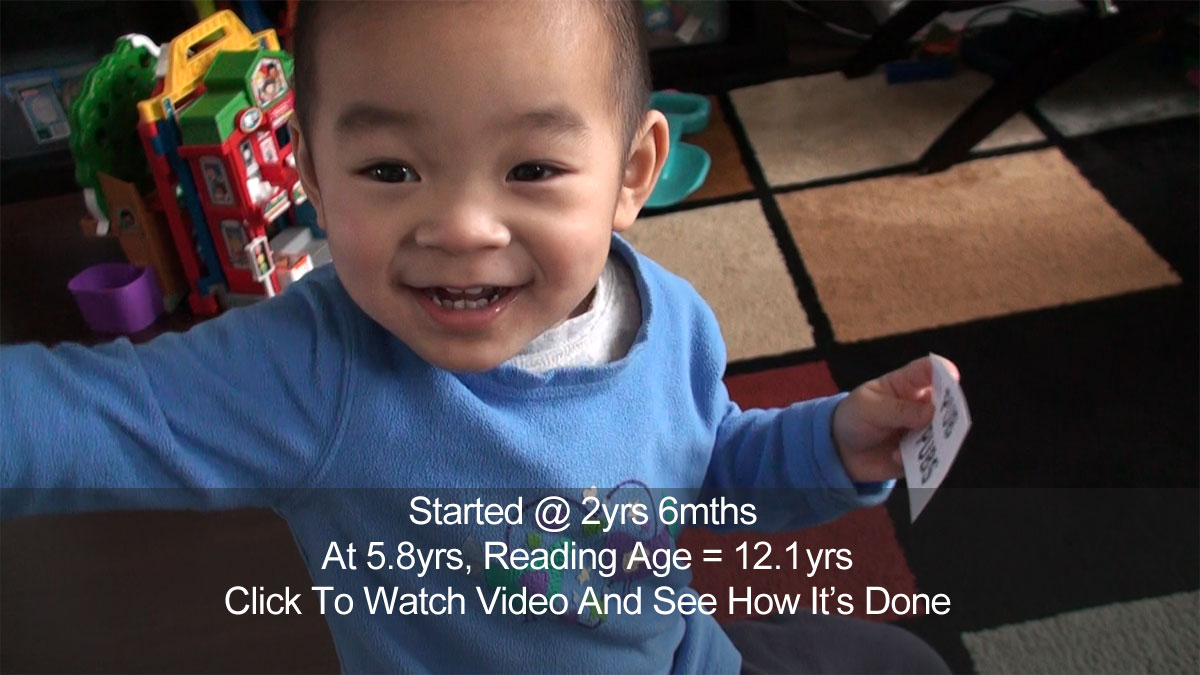
- 32 step-by-step phonics lessons included
- Engaging lesson videos for easy teaching
- Fun games that make learning enjoyable
- Flashcards for quick and effective practice
Key Takeaways
The Children Learning Reading Phonics program offers a comprehensive approach to help children aged 2 and up develop their reading skills. Here are the key points to consider:
- Structured phonics lessons that build on each other.
- Engaging materials, including stories, games, and videos, enhance the learning experience.
- A focus on phonemic awareness and reading comprehension skills is central to the program.
- Fun activities promote a love for reading and interactive learning.
- Daily practice is essential for achieving optimal results.
- It may not suit every child; some may require additional support.
Product Overview
The Children Learning Reading Phonics program is designed specifically for young learners. It combines a structured phonics approach with engaging materials to foster a love for reading. The program emphasizes phonemic awareness—understanding the sounds that make up words—and synthetic phonics, which teaches children how to blend sounds together to form words. By dedicating just a few minutes each day, this program aims to make reading an enjoyable and enriching experience for your child, laying a solid foundation for literacy that will benefit them throughout their academic journey.
What You Get
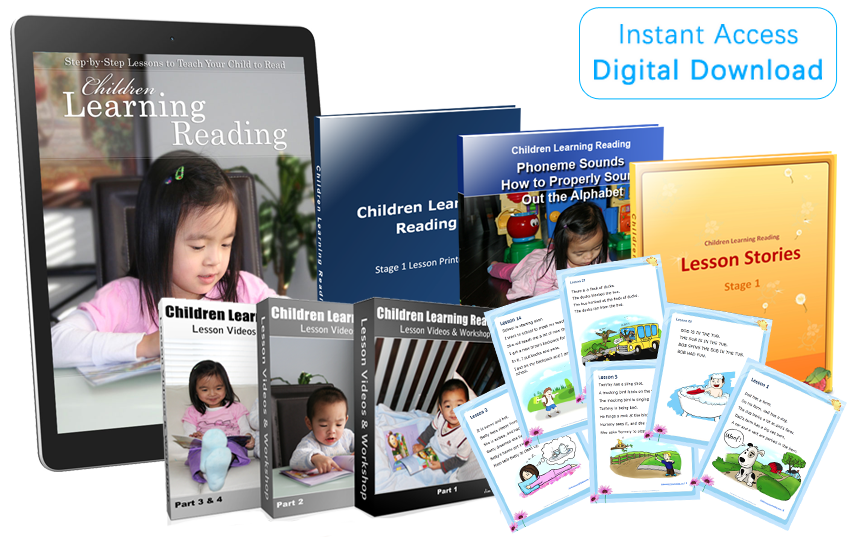
- Engaging lesson videos for easy teaching
- Fun games that make learning enjoyable
- Flashcards for quick and effective practice
- Proven methods used by thousands of parents
When you enroll in the Children Learning Reading program, you gain access to a wealth of resources designed to facilitate effective teaching. Here’s what you can expect:
- 32 step-by-step phonics lessons that are easy to follow for both children and parents.
- Printable flashcards and lesson printouts to support hands-on learning.
- Instructional videos that demonstrate effective teaching methods.
- MP3 audio files covering all phonics sounds featured in the lessons.
- Engaging activities and beautifully illustrated storybooks that captivate young readers.
- Interactive phonics games that make learning enjoyable and stress-free.
- A bonus book of nursery rhymes, perfect for introducing rhythm and rhyme to early readers.
How It Works
Utilizing the Children Learning Reading program is a straightforward process. Here’s a step-by-step guide to help you get started:
- Select a phonics lesson that aligns with your child’s current reading level.
- Watch the accompanying video to grasp the teaching methods and objectives.
- Print any necessary materials, such as flashcards or lesson sheets, to facilitate learning.
- Engage your child with interactive activities and games that reinforce the lesson.
- Incorporate audio resources to help solidify the sounds and words being taught.
- Encourage daily practice for about 10 minutes to build consistency and reinforce learning.
First-Week Expectations
The initial week of using the Children Learning Reading program can be a mix of excitement and challenges. Here’s what you might expect during this period:
- Your child may quickly grasp basic phonics sounds, which can be a huge confidence booster.
- Some lessons might feel repetitive, but this repetition is essential for reinforcing learning.
- Engaging activities are likely to keep your child interested and motivated to continue.
- You may find your child becoming eager to read more as they start to see progress.
- Realistically, it could take a few weeks for your child to feel fully confident in their reading abilities.
Deep Dive: Features That Matter
Let’s delve into some of the standout features of the Children Learning Reading program that contribute to its effectiveness:
- Phonics Lessons: The structured lessons build progressively, introducing new sounds and words in a logical sequence.
- Interactive Games: These games make learning enjoyable, transforming practice into playtime, which can help reinforce skills.
- Storybooks: Illustrated stories not only capture attention but also enhance comprehension skills by connecting words to narratives.
- Audio Files: Listening to phonics sounds helps children make connections between spoken language and written words, solidifying their learning.
- Comprehensive Manual: The detailed teaching manual serves as a valuable guide for parents, ensuring they feel equipped to teach effectively.
Strengths vs Trade-Offs
- 32 step-by-step phonics lessons included
- Engaging lesson videos for easy teaching
- Fun games that make learning enjoyable
- Flashcards for quick and effective practice
Every educational program has its strengths and weaknesses. Here’s a balanced perspective on the Children Learning Reading program:
- Strengths: The program is comprehensive, easy to follow, and designed to engage children through a variety of materials.
- Trade-Offs: It requires daily commitment; some children may need extra help beyond what the program offers.
- Strengths: The phonics approach is backed by research, making it effective for many learners.
- Trade-Offs: If a child struggles with phonemic awareness, it may take longer to see significant results.
How It Compares to Alternatives
When evaluating the Children Learning Reading program, it’s beneficial to compare it with other reading programs available. Here are two notable alternatives:
- Sight Words Approach: Some programs focus primarily on memorizing sight words. While this method can be effective for visual learners, it may not provide the phonetic understanding that helps with unfamiliar words.
- Balanced Literacy Programs: These programs blend phonics with whole language approaches. Although they offer a mix, they may lack the structured phonics focus that the Children Learning Reading program emphasizes.
Who This Is For
The Children Learning Reading program is suitable for a variety of learners. Here’s who can benefit most:
- Young Beginners: Perfect for children aged 2 and up who are just embarking on their reading journey.
- Struggling Readers: Ideal for older children who may have fallen behind and need additional support to catch up.
- Parents Seeking Structure: Great for parents who want a clear, step-by-step method for teaching reading effectively.
- Homeschoolers: A valuable resource for homeschooling families looking for comprehensive reading materials to incorporate into their curriculum.
Who Should Skip It
While the Children Learning Reading program is beneficial for many, it may not suit everyone. Consider skipping it if:
- Your child thrives on a more visual or holistic learning approach that does not focus on phonics.
- You prefer a program that offers a more hands-off approach without daily involvement.
- Your child is already reading fluently and does not require additional phonics support.
Expert Tips to Get Better Results
- Fun games that make learning enjoyable
- Flashcards for quick and effective practice
- Proven methods used by thousands of parents
- Supports comprehension alongside reading skills
To maximize the effectiveness of the Children Learning Reading program, consider these actionable tips:
- Establish a consistent daily reading time to create a routine that your child can anticipate.
- Incorporate fun rewards for completing lessons to maintain high levels of motivation.
- Engage with your child during lessons; ask questions to enhance comprehension and encourage discussion.
- Utilize audio resources regularly to reinforce sound recognition and aid in phonetic understanding.
- Be patient; learning to read is a process that can take time, and every child progresses at their own pace.
Troubleshooting Common Mistakes
Even with a well-structured program, you may encounter challenges. Here are some common mistakes and how to troubleshoot them:
- Skipping Lessons: Ensure that you follow the lessons in order, as each one builds on the previous one. Skipping can lead to gaps in understanding.
- Inconsistent Practice: Consistency is key. If daily practice is challenging, try to establish a shorter, more manageable routine that fits your schedule.
- Overemphasis on Speed: Focus on comprehension rather than rushing through lessons. Encourage your child to take their time and fully understand each concept.
- Ignoring Engagement: If your child seems disinterested, try mixing in different activities or games to reignite their enthusiasm for learning.
Realistic Timeline
Understanding the timeline for progress can help manage expectations. Here’s a realistic overview of what you might observe:
- First Month: Your child may grasp basic phonics sounds and start blending simple words. Early reading skills will begin to develop.
- Two to Three Months: Your child should become more comfortable with blending sounds and may start reading simple sentences. Confidence will likely increase.
- Four to Six Months: With consistent practice, your child may begin reading short storybooks independently, showcasing improved fluency and comprehension.
- Ongoing Learning: Continuous engagement with the program will further enhance reading skills, enabling your child to tackle more complex texts over time.
FAQ
Here are some frequently asked questions to help you better understand the program:
- How much time should I dedicate daily? Aim for about 10 minutes each day to keep the sessions effective and engaging.
- What age is this program suitable for? It is designed for children as young as 2 years old, making it flexible for early learners.
- Can this program help older children? Yes, it can support older children who struggle with reading and help them catch up to their peers.
- What if my child isn’t interested in reading? Incorporate fun games and activities to spark their interest and make learning enjoyable.
- Are the lessons easy to
Ready for the next step?Unlock Your Child's Reading Potential TodayEmpower your child with essential reading skills.Transform reading skills in just 10 minutes daily.
- 32 step-by-step phonics lessons included
- Engaging lesson videos for easy teaching
- Fun games that make learning enjoyable
- Flashcards for quick and effective practice
If it matches your situation, start here.