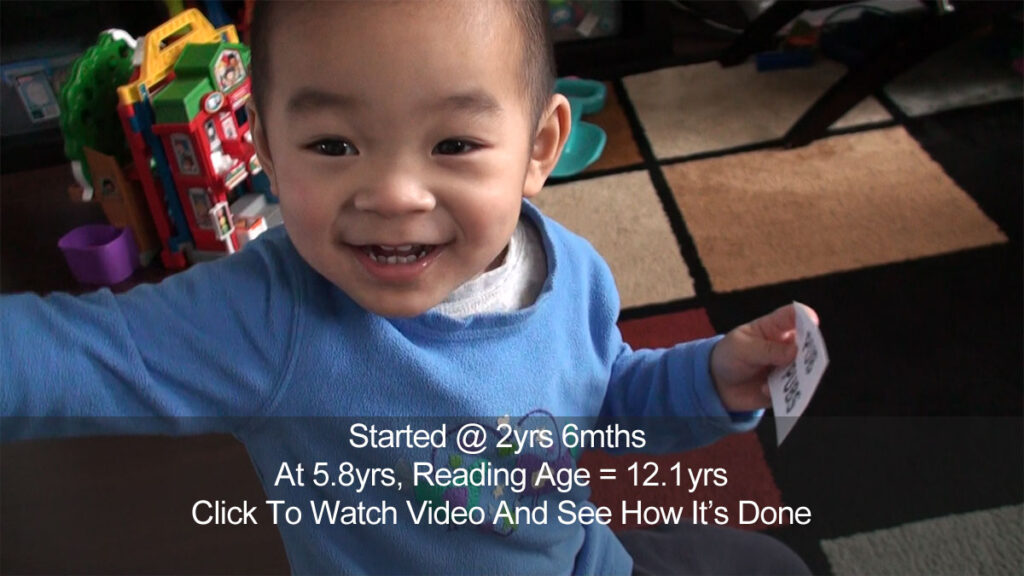
How to Teach a 6 Year Old to Read and Catch Up
Teaching a 6 year old to read can feel overwhelming, especially if they’re falling behind their peers. But with the right tools and a little patience, you can ignite their passion for reading and set them on a path to success.
Using methods like Children Learning Reading Phonics, you can create fun and engaging lessons that make learning to read an enjoyable adventure. Your effort today will inspire a love of reading and learning in your child for years to come.
Disclosure: This post may contain affiliate links. If you buy through them, we may earn a commission at no extra cost to you.
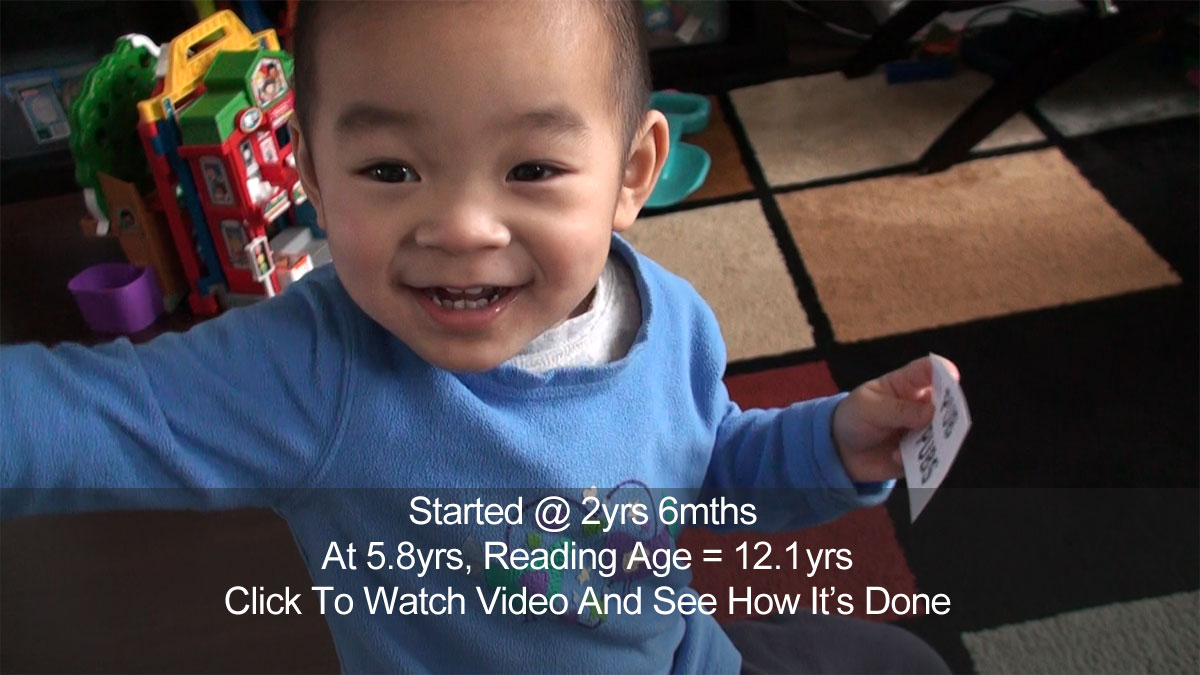
- 32 step-by-step phonics lessons included.
- Engaging flashcards and lesson printouts available.
- Fun activities to make learning enjoyable.
- Videos demonstrating effective teaching methods.
- If you want the fastest route: see the best options and match one to your needs.
- If you’re choosing between two finalists: use the comparison to decide faster.
- For the “start here” option: check the recommended pick.
Explore: Top Pick Review | Also Consider Review
Key Takeaways for Teaching Reading
- Start early to build a strong foundation.
- Use engaging materials that capture interest.
- Be patient and consistent in your teaching approach.
- Incorporate fun activities to reinforce learning.
- Set achievable goals to track progress.
- Encourage a love for books and stories.
- Adapt your methods to fit your child’s learning style.
Short on time? See the best options → | Compare top picks →
Discover the program details → →
Step-by-Step Guide to Teach Reading
- Engaging lessons for young learners
- Proven phonics strategies for success
- Interactive activities that captivate kids
- Builds confidence in reading abilities
Learning how to teach a 6 year old to read involves a structured approach. Follow these steps to ensure effective learning:
- Introduce letter sounds using phonics.
- Practice blending sounds to form simple words.
- Use flashcards to reinforce recognition of sight words.
- Read aloud together daily to build vocabulary.
- Encourage your child to read independently at their own pace.
- Discuss stories to improve comprehension skills.
- Provide positive feedback to boost confidence.
Creating a Reading Routine That Works
Establishing a reading routine is essential for developing reading skills. Set aside a specific time each day for reading activities. Consistency helps children anticipate and look forward to reading time.
Incorporate a variety of materials, such as storybooks, magazines, and educational games. This diversity keeps the experience fresh and engaging.
Engaging Activities to Boost Reading Skills
To make learning enjoyable, consider these engaging activities:
- Create a reading corner with comfortable seating and books.
- Play word games like Scrabble or Boggle.
- Use interactive apps that focus on phonics and reading.
- Organize a storytime session with friends or family.
- Incorporate arts and crafts related to stories read.
Common Mistakes When Teaching Reading
- Rushing the learning process can lead to frustration.
- Neglecting to address individual learning styles.
- Focusing solely on phonics and ignoring comprehension.
- Not providing enough positive reinforcement.
- Overloading with too much material at once.
FAQs About Teaching a 6-Year-Old to Read
What age is best to start teaching reading?
Starting as early as three years old can be beneficial, but every child is different. The key is to begin when your child shows interest.
How can I make reading fun for my child?
Incorporate games, interactive stories, and creative activities. This helps maintain their interest and makes learning enjoyable.
What are some effective phonics strategies?
Using sound-letter association, blending sounds, and recognizing sight words are effective strategies. These methods build a solid reading foundation.
How often should we practice reading?
Daily practice, even for short periods, is ideal. Consistency is key to developing strong reading skills.
Can I teach my 4 or 5 year old to read?
Yes, many children can start learning to read at four or five. Tailor your approach to their developmental stage and interests.
Final Notes on Your Child’s Reading Progress
Every child learns at their own pace. Celebrate small achievements along the way to encourage continued progress. With patience and the right strategies, you can effectively teach your child to read.
- 32 step-by-step phonics lessons included
- Engaging videos to guide you effortlessly
- Fun activities to make learning enjoyable
- Flashcards and printouts for easy teaching