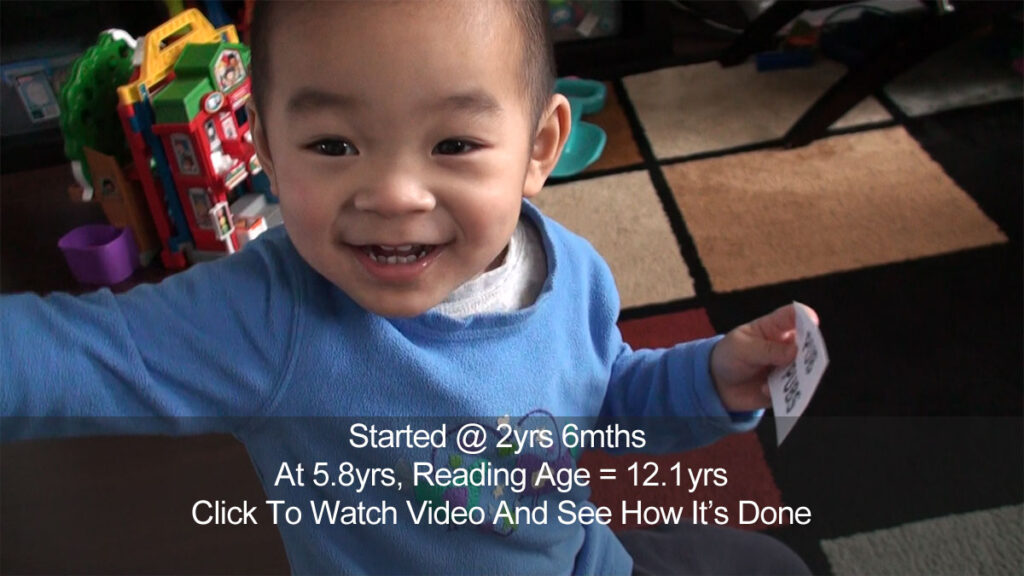
How to Teach a Toddler to Read Without Pressure
Learning how to teach a toddler to read without pressure can feel daunting, but it doesn’t have to be. The right approach can turn reading time into a fun, bonding experience instead of a chore.
By incorporating playful activities and using tools like Children Learning Reading Phonics, you can create a positive atmosphere that encourages your little one to explore the world of words confidently. Let’s make reading a delightful adventure together!
Disclosure: This post may contain affiliate links. If you buy through them, we may earn a commission at no extra cost to you.
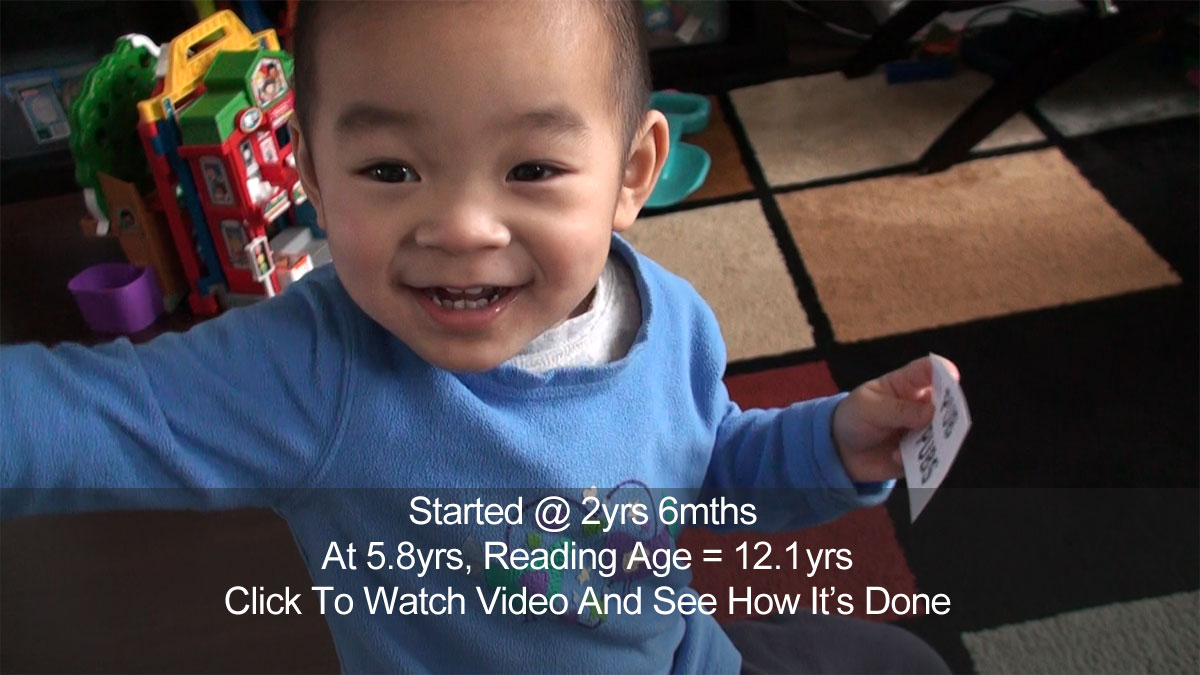
- 32 easy-to-follow phonics lessons
- Engaging storybooks and lesson activities
- Fun phonics games for stress-free learning
- Step-by-step guidance for parents
- If you want the fastest route: see the best options and match one to your needs.
- If you’re choosing between two finalists: use the comparison to decide faster.
- For the “start here” option: check the recommended pick.
Explore: Top Pick Review | Also Consider Review
Key Takeaways for Teaching Reading
- Start early but at your child’s pace.
- Make reading a fun and enjoyable experience.
- Use engaging materials and activities.
- Encourage a love for stories and books.
- Be patient and supportive throughout the process.
Short on time? See the best options → | Compare top picks →
Discover the Phonics Method → →
Essential Steps to Teach Your Toddler
- Engaging lessons designed for young learners
- Proven phonics techniques for effective learning
- Interactive activities to boost confidence
- Supports various learning styles and paces
Understanding how to teach a toddler to read involves several key steps. Each step focuses on creating a positive learning environment.
- Read aloud daily to build interest.
- Introduce letters and sounds gradually.
- Use phonics games to reinforce learning.
- Encourage your child to recognize words in their environment.
- Provide opportunities for storytelling and creative expression.
- Celebrate small achievements to boost confidence.
Signs Your Child is Ready to Read
Look for these signs that indicate your child may be ready to start reading:
- Shows interest in books and stories.
- Can recognize some letters and sounds.
- Enjoys rhymes and word play.
- Asks questions about stories and characters.
- Can follow along when you read together.
How to Create a Reading-Friendly Environment
A supportive atmosphere can enhance your child’s reading experience. Here are some tips:
- Designate a cozy reading nook.
- Stock it with a variety of age-appropriate books.
- Limit distractions during reading time.
- Encourage quiet, focused reading sessions.
- Make reading materials easily accessible.
Common Mistakes When Teaching Reading
Awareness of common pitfalls can help you avoid them:
- Rushing the learning process.
- Using materials that are too advanced.
- Focusing only on phonics without comprehension.
- Forgetting to make it fun and engaging.
- Neglecting to celebrate progress.
Engaging Activities to Foster Reading Skills
Incorporating fun activities can make learning to read enjoyable:
- Play rhyming games and sing songs.
- Create a word scavenger hunt around the house.
- Use flashcards for letter and sound recognition.
- Encourage drawing and storytelling.
- Incorporate puppets and role-play into reading sessions.
What to Do If Your Child Shows Resistance
Resistance is common. Here are strategies to address it:
- Take breaks and return to reading later.
- Try different types of books and materials.
- Involve your child in choosing reading materials.
- Use praise and encouragement to motivate.
- Keep sessions short and enjoyable.
FAQs About Teaching Toddlers to Read
What age should I start teaching my child to read?
Many children show interest in reading as early as age 3. However, it’s essential to follow their lead and not rush the process.
How can I make reading fun for my toddler?
Incorporate games, songs, and interactive activities. Choose engaging stories that capture their imagination.
What materials are best for teaching reading?
Use colorful picture books, phonics games, and interactive apps designed for young readers.
How often should I read with my child?
Read with your child daily, even if it’s just for a short time. Consistency helps build a love for reading.
Should I focus more on phonics or comprehension?
Both are important. Start with phonics to build skills, but always encourage comprehension through discussion.
Final Thoughts on Nurturing Young Readers
Teaching a child to read is a rewarding journey. By focusing on fun, patience, and positive reinforcement, you can help your toddler develop essential reading skills. Remember, every child learns at their own pace, so celebrate each milestone along the way.
- 32 engaging phonics lessons included
- Fun activities and illustrated storybooks
- Proven methods used by 238,000 parents
- Instant access to all digital resources