How to Teach Phonics Step by Step
Wondering how do you teach phonics effectively? It can feel overwhelming at first, but with the right approach, you can make learning engaging and fun for young readers.
Using resources like Children Learning Reading Phonics can guide you step by step, helping children build a strong foundation in reading while enjoying the process.
Disclosure: This post may contain affiliate links. If you buy through them, we may earn a commission at no extra cost to you.
- 32 step-by-step phonics lessons included.
- Engaging lesson videos for easy teaching.
- Fun activities that make learning enjoyable.
- Flashcards and printouts ready to use.
- If you want the fastest route: see the best options and match one to your needs.
- If you’re choosing between two finalists: use the comparison to decide faster.
- For the “start here” option: check the recommended pick.
Explore: Top Pick Review | Also Consider Review
In a Nutshell: Teaching Phonics
- Phonics is essential for reading development.
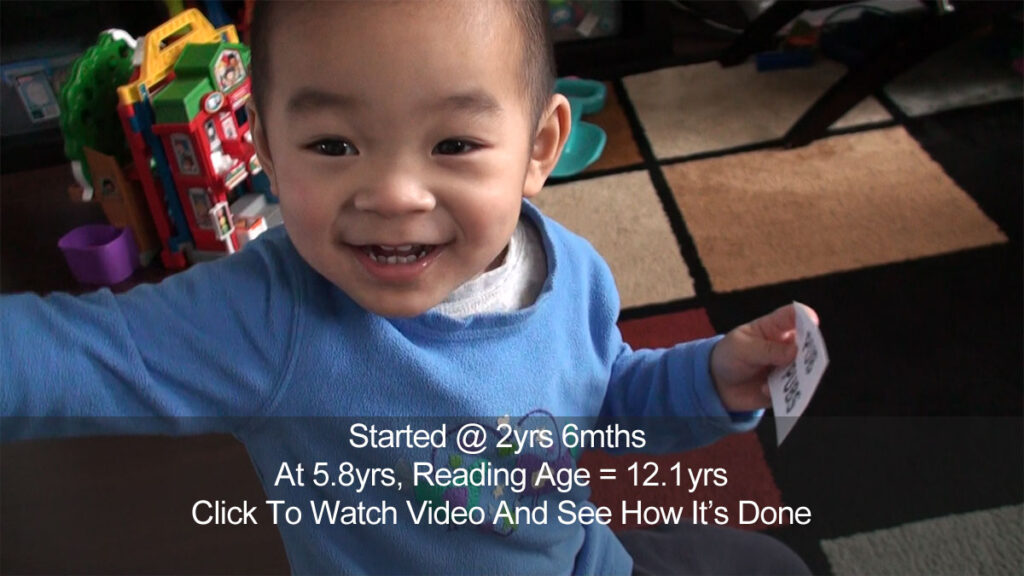
- Start teaching phonics as early as age 3.
- Use engaging methods to maintain interest.
- Assess reading levels to tailor instruction.
- Practice consistently for best results.
Short on time? See the best options → | Compare top picks →
Join countless happy parents today → →
So, how do you teach phonics? The process involves introducing sounds, blending them, and applying them to reading. It’s important to create a solid foundation for children to become confident readers.
Step-by-Step Process to Teach Phonics
- Engaging activities for young learners
- Proven phonics strategies for success
- Boosts confidence and reading skills
- Supports early literacy development
- Start with letter sounds and their corresponding letters.
- Introduce simple words that use those sounds.
- Teach blending sounds to form words.
- Incorporate sight words alongside phonics.
- Encourage reading simple books that utilize phonics skills.
- Provide regular practice through games and activities.
- Assess progress and adjust instruction as needed.
Identifying Reading Levels for Different Ages
Understanding the appropriate reading levels is crucial when teaching phonics. For instance, how to teach a 3 year old to read may involve simple letter recognition. In contrast, how to teach a 5 year old to read can include more complex phonetic patterns. Tailoring your approach based on age ensures effective learning.
Engaging Activities for Phonics Practice
To keep children motivated, incorporate fun activities. Here are some effective ideas:
- Phonics games that involve matching sounds to letters.
- Storytime sessions focusing on phonetic books.
- Flashcards for quick sound recognition.
- Sing songs that emphasize phonetic sounds.
- Interactive apps that reinforce phonics skills.
Common Pitfalls in Phonics Education
- Rushing through lessons without mastery.
- Neglecting to assess individual progress.
- Using overly complex materials too soon.
- Failing to engage children with interactive methods.
- Not incorporating regular practice.
How to Support Struggling Readers
Supporting struggling readers requires patience and tailored strategies. Consider these approaches:
- Identify specific areas of difficulty.
- Use multisensory techniques to reinforce learning.
- Provide additional time for practice.
- Encourage a positive reading environment.
- Incorporate interests to make reading enjoyable.
FAQs About Teaching Phonics
What age is best to start teaching phonics?
Starting as early as age 3 can be beneficial. Children are often eager to learn and can grasp basic sounds quickly.
How long should phonics lessons last?
Phonics lessons should last around 15 to 30 minutes. Short, focused sessions help maintain attention and retention.
How to teach a child to read using phonics?
Begin with letter sounds, then introduce simple words. Incorporate blending and encourage practice with reading materials.
Can phonics be taught to toddlers?
Yes, phonics can be introduced to toddlers through playful activities and sound recognition games.
Final Notes on Phonics Instruction
Teaching phonics is a rewarding journey. With the right strategies and engaging activities, you can help your child become a confident reader. Remember to be patient and adjust your methods according to their progress.
- 32 step-by-step phonics lessons
- Engaging lesson videos for easy teaching
- Fun phonics games to enhance learning
- Beautifully illustrated storybooks included