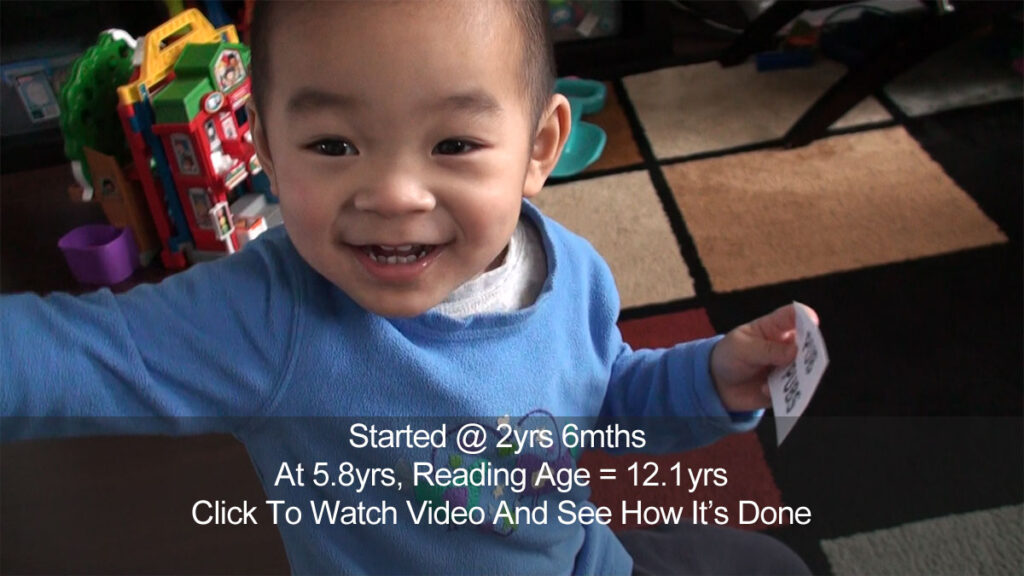
Letter Sounds in Phonics How to Teach Them
Teaching letter sounds in phonics can feel overwhelming, but it’s a vital skill for your child’s reading journey. With the right approach, you can transform this challenge into a rewarding experience.
By incorporating engaging tools like Children Learning Reading Phonics, you'll empower your child to recognize sounds and build a strong foundation. Get ready to unlock their potential and watch their confidence soar!
Disclosure: This post may contain affiliate links. If you buy through them, we may earn a commission at no extra cost to you.
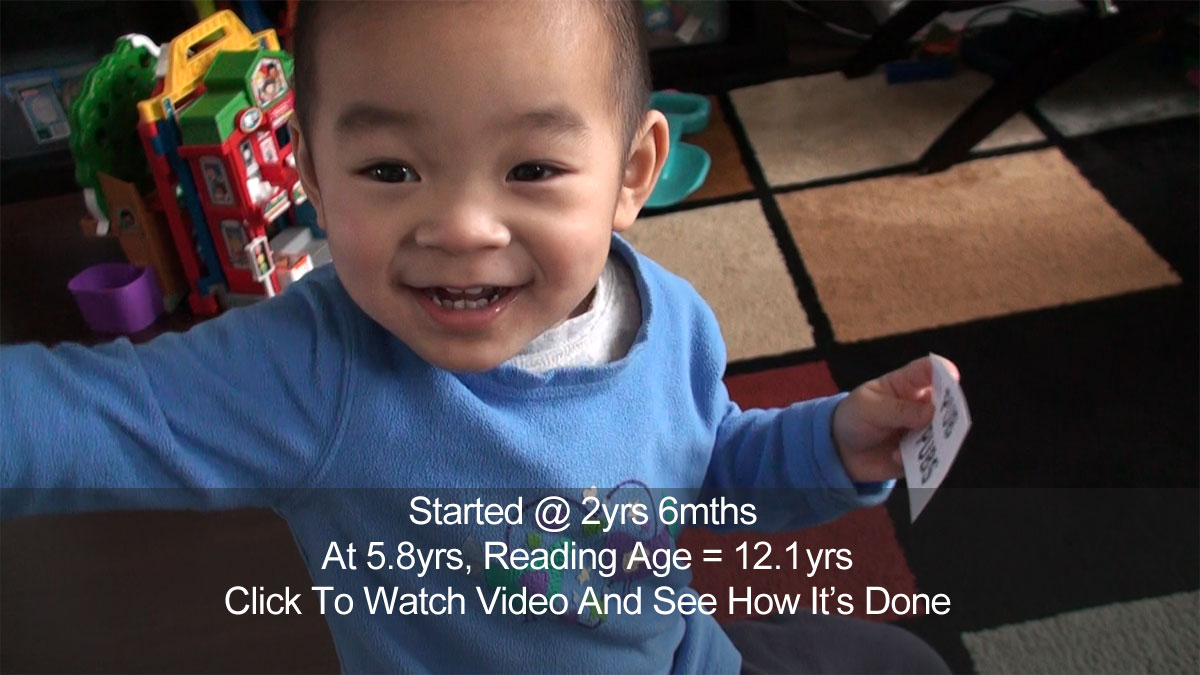
- 32 step-by-step phonics lessons included
- Engaging lesson videos for easy teaching
- Fun games make learning enjoyable
- Beautifully illustrated storybooks provided
- If you want the fastest route: see the best options and match one to your needs.
- If you’re choosing between two finalists: use the comparison to decide faster.
- For the “start here” option: check the recommended pick.
Explore: Top Pick Review | Also Consider Review
Key Takeaways for Teaching Letter Sounds
- Focus on the individual sounds of letters.
- Incorporate multisensory activities.
- Use systematic phonics approaches.
- Practice regularly with engaging materials.
- Encourage blending sounds to form words.
- Monitor progress and adjust methods as needed.
Short on time? See the best options → | Compare top picks →
Discover the proven method today → →
Understanding Phonics: A Brief Overview
- Engaging activities that spark interest
- Proven phonics methods for early readers
- Fun games to reinforce learning
- Supports independent reading practice
Phonics is a method of teaching reading that connects sounds with letters. Understanding letter sounds phonics is essential for developing reading skills. It helps children decode words and improve their reading fluency.
There are different approaches to phonics, including synthetic phonics and systematic phonics. Each method has unique strategies for teaching letter sounds effectively.
Step-by-Step Guide to Teaching Letter Sounds
- Introduce individual letter sounds through visual aids.
- Use songs or rhymes to reinforce sound recognition.
- Practice with flashcards to enhance memory.
- Engage in phonics games to make learning fun.
- Encourage children to sound out words during reading activities.
- Provide consistent feedback and support.
- Integrate phonics into daily reading routines.
Identifying Common Mistakes in Phonics Instruction
- Neglecting to teach letter sounds before blending.
- Overlooking the importance of consistent practice.
- Failing to use engaging materials.
- Rushing the learning process.
- Not addressing individual learning paces.
How to Correct Phonics Misconceptions
It’s common for students to develop misconceptions about letter sounds. Addressing these early can help prevent confusion. Use clear examples and consistent practice to correct misunderstandings.
Empower their learning journey → →
Encourage open communication with students. Ask them to explain their thought processes. This can reveal areas that need clarification and help reinforce correct phonics rules.
Engaging Techniques for Phonics Blends
Phonics blends combine two or more sounds to form a new sound. Teaching blends can be made enjoyable through various techniques. Use interactive activities that encourage children to practice blending sounds.
Consider using colorful charts, engaging stories, and hands-on games. These can help reinforce the concept of blends while keeping children motivated and excited about learning.
Frequently Asked Questions About Phonics
What is the best way to teach letter sounds?
The best way to teach letter sounds is through a combination of visual, auditory, and kinesthetic methods. This approach caters to different learning styles and enhances retention.
How can I help my child with phonics at home?
You can help your child by incorporating phonics into daily activities. Use flashcards, read together, and engage in phonics games to reinforce learning.
What are phonics blends?
Phonics blends are combinations of two or more consonants that are pronounced together. Examples include “bl,” “st,” and “cr.” Teaching these blends helps children decode more complex words.
How do you teach phonics effectively?
Effective phonics instruction involves systematic teaching, regular practice, and the use of engaging materials. Tailoring the instruction to the child’s needs is also crucial.
Final Thoughts on Mastering Letter Sounds
Mastering letter sounds is a foundational skill in reading. A strong understanding of phonics can lead to greater confidence and success in literacy. By using effective strategies and engaging techniques, you can help children thrive in their reading journey.
- 32 step-by-step phonics lessons included
- Engaging videos to guide your teaching
- Fun games make learning enjoyable
- Flashcards and printouts for easy teaching