Phonics Rules That Matter Most for Beginners
Understanding phonics rules is essential for your child's reading journey. By focusing on these foundational concepts, you can help them unlock the world of words more effectively.
With the right resources, like Children Learning Reading Phonics, you can make this learning process engaging and rewarding. Soon, you’ll see your child gaining confidence as they connect sounds and letters effortlessly.
Disclosure: This post may contain affiliate links. If you buy through them, we may earn a commission at no extra cost to you.
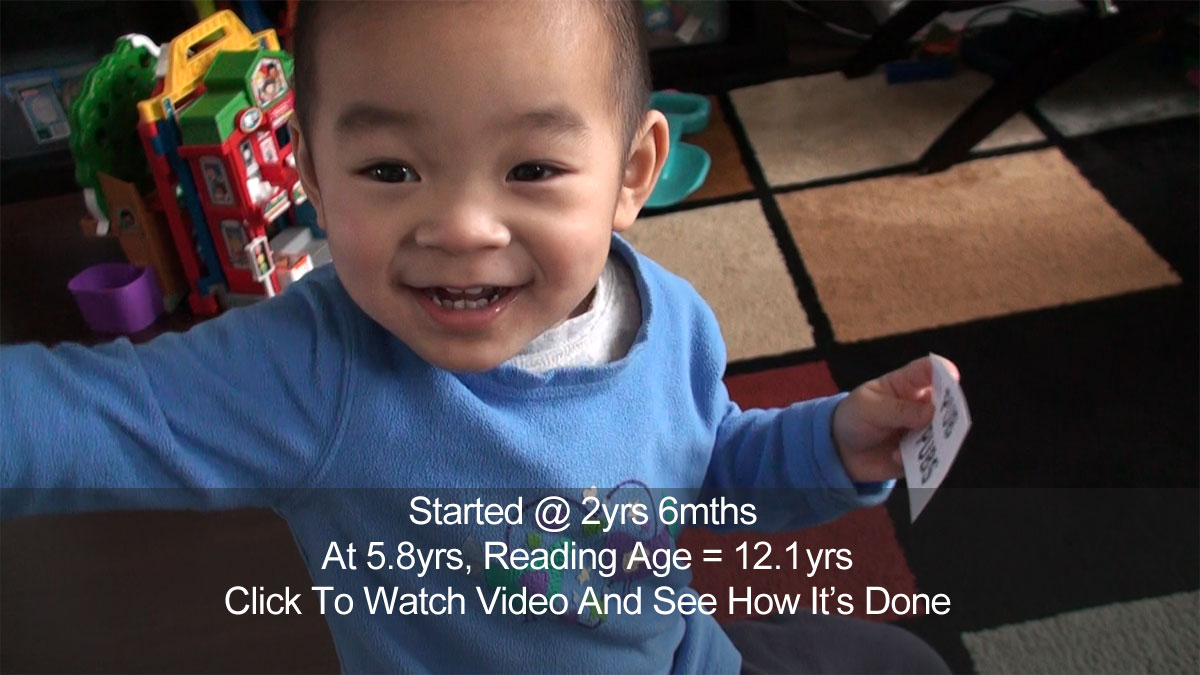
- 32 step-by-step phonics lessons included
- Engaging games make learning fun
- Lesson videos for easy teaching
- Printable flashcards for hands-on practice
- If you want the fastest route: see the best options and match one to your needs.
- If you’re choosing between two finalists: use the comparison to decide faster.
- For the “start here” option: check the recommended pick.
- Quick Answer: Key Phonics Rules to Know
- Essential Steps for Teaching Phonics Effectively
- Common Challenges in Phonics Instruction
- Troubleshooting Phonics Blends: Tips for Success
- Understanding Synthetic vs. Systematic Phonics
- How to Assess Letter Sounds Progress
- FAQs About Phonics Teaching Strategies
Explore: Top Pick Review | Also Consider Review
Quick Answer: Key Phonics Rules to Know
- Phonics rules help children understand the relationship between letters and sounds.
- Letter sounds phonics are essential for decoding words.
- Teaching phonics blends aids in word recognition.
- Systematic phonics instruction builds a strong foundation.
- Synthetic phonics focuses on blending sounds to form words.
Short on time? See the best options → | Compare top picks →
Discover the program details → →
Understanding phonics rules is crucial for beginners. These rules guide children in reading and spelling. They provide a structured approach to learning.
Essential Steps for Teaching Phonics Effectively
- Engaging lessons tailored for young learners
- Proven phonics strategies for effective learning
- Boosts confidence in reading abilities
- Fun activities to keep children motivated
- Start with letter sounds phonics to build recognition.
- Introduce simple words using phonics blends.
- Use engaging activities to reinforce learning.
- Encourage daily practice for consistency.
- Assess progress regularly to identify areas needing support.
To teach phonics effectively, follow these essential steps. Each step builds upon the last, enhancing the child’s reading skills.
Common Challenges in Phonics Instruction
- Difficulty in distinguishing similar sounds.
- Struggles with phonics blends and their applications.
- Lack of motivation or interest in learning.
- Inconsistent practice leading to gaps in knowledge.
Challenges are common in phonics instruction. Identifying these challenges can help tailor your teaching approach.
Troubleshooting Phonics Blends: Tips for Success
When children struggle with phonics blends, consider these tips:
Get started with a free lesson → →
- Break down blends into smaller parts.
- Use visual aids to illustrate blends.
- Incorporate games that focus on blending sounds.
- Provide ample practice with different word combinations.
These strategies can make learning phonics blends more enjoyable and effective.
Understanding Synthetic vs. Systematic Phonics
Synthetic phonics emphasizes teaching children to convert letters into sounds. They then blend these sounds to form words. Systematic phonics involves a structured sequence of instruction. It ensures that children learn phonics rules in a logical order.
Both approaches are effective, but they serve different learning styles. Understanding their differences can help in choosing the right method.
How to Assess Letter Sounds Progress
Assessing progress in letter sounds is vital. Regular assessments help identify strengths and weaknesses. Use a combination of informal and formal methods:
- Conduct one-on-one reading sessions.
- Use phonics games to gauge understanding.
- Monitor improvement through timed reading exercises.
- Maintain a record of assessments to track growth.
These methods provide insights into a child’s understanding of letter sounds.
FAQs About Phonics Teaching Strategies
What is phonics and why is it important?
Phonics is the method of teaching reading by correlating sounds with letters. It is crucial because it helps children decode words, enhancing their reading skills.
How do you teach phonics to beginners?
Begin by introducing letter sounds and simple words. Use engaging activities and consistent practice to reinforce learning.
What are phonics blends and how do they work?
Phonics blends are combinations of two or three consonants that appear together in words. They help children read more complex words by blending sounds.
What is the difference between synthetic and systematic phonics?
Synthetic phonics focuses on teaching sounds and blending them to form words. Systematic phonics provides a structured approach to teaching phonics rules in a logical sequence.
Final Notes on Effective Phonics Instruction
Effective phonics instruction is foundational for reading success. By understanding key phonics rules and employing structured teaching methods, educators can significantly enhance a child’s reading skills. Consistent practice and engaging activities are essential for fostering a love of reading.
- 32 step-by-step phonics lessons included
- Fun games make learning enjoyable
- Flashcards ready to print and use
- Engaging lesson videos for easy teaching