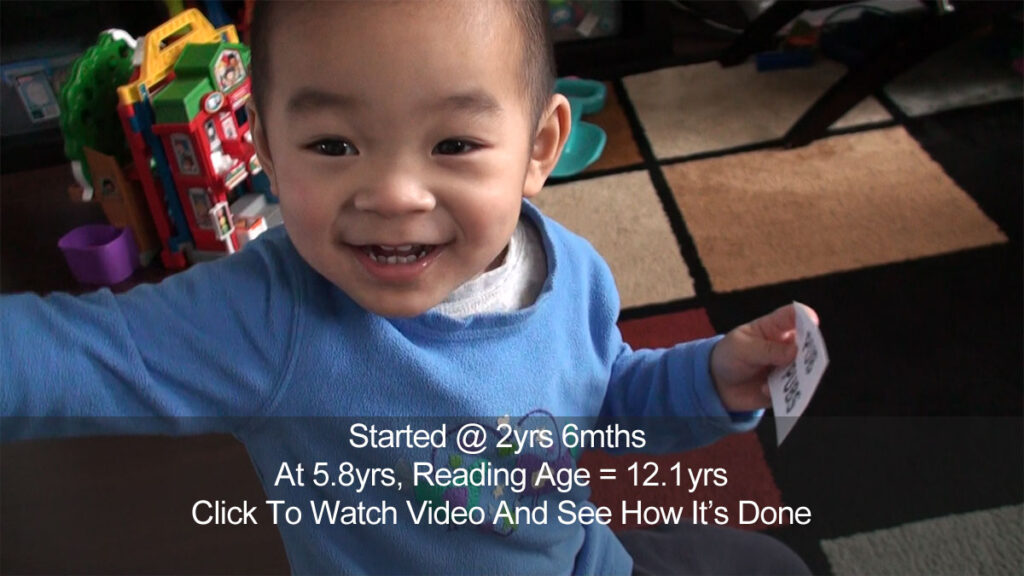
Teach Your Child to Read in 100 Easy Lessons Review
Imagine the joy of watching your child read along with you, mastering words and stories with confidence. With "Teach Your Child to Read in 100 Easy Lessons," you can embark on this rewarding journey together, using accessible techniques that make learning enjoyable.
Utilizing the proven Children Learning Reading Phonics program, you'll find that transforming your child's reading skills can be an effortless process. Dive into strategies that instill a love for reading while building a strong foundation for lifelong learning.
Disclosure: This post may contain affiliate links. If you buy through them, we may earn a commission at no extra cost to you.
- 32 step-by-step phonics lessons included
- Engaging lesson videos for easy teaching
- Fun activities to make learning enjoyable
- Flashcards ready to print and use
- If you want the fastest route: see the best options and match one to your needs.
- If you’re choosing between two finalists: use the comparison to decide faster.
- For the “start here” option: check the recommended pick.
Explore: Top Pick Review | Also Consider Review
Fast Checklist for Teaching Reading
- Set a consistent reading routine.
- Use engaging and age-appropriate materials.
- Incorporate phonics into daily lessons.
- Encourage a love for stories and books.
- Celebrate small achievements to boost confidence.
- Be patient and supportive throughout the process.
Short on time? See the best options → | Compare top picks →
When you teach your child how to read in 100 easy lessons, you provide them with the necessary tools to become confident readers. This structured approach is designed for children as young as three years old. It emphasizes phonics and comprehension, making it one of the best ways to teach a child to read.
Essential Steps to Teach Reading
- Engaging lessons tailored for young learners
- Supports phonics mastery at every level
- Fun activities that keep kids motivated
- Proven techniques for effective learning
- Establish a daily reading time.
- Select engaging books that match your child’s interests.
- Introduce phonics through fun and interactive activities.
- Practice sight words regularly to build recognition.
- Read aloud together to model fluent reading.
- Encourage your child to retell stories to enhance comprehension.
- Gradually increase the complexity of texts as skills improve.
Common Challenges in Teaching Reading
- Lack of interest in reading materials.
- Difficulties with phonetic sounds.
- Struggles with attention span during lessons.
- Frustration with challenging texts.
- Overwhelming choices in reading materials.
How to Encourage Reading at Home
Creating a reading-friendly environment is essential. Keep a variety of books accessible and encourage your child to explore different genres. Additionally, make reading a family activity by setting aside time to read together.
Incorporate storytelling into daily routines. This can include narrating events from the day or creating fun stories together. The more enjoyable reading is, the more likely your child will want to participate.
Best Practices for Reading Lessons
To maximize the effectiveness of your lessons, consider these best practices:
- Be consistent with your teaching schedule.
- Use a variety of teaching materials, including games and flashcards.
- Incorporate music and rhymes to make learning enjoyable.
- Provide positive reinforcement to motivate your child.
- Adapt your teaching style to fit your child’s learning pace.
FAQs About Teaching Kids to Read
What age is best to start teaching reading?
Many experts suggest starting as early as 3 years old. However, every child is different. Look for signs of readiness and interest.
How can I make reading fun for my child?
Incorporate games, interactive stories, and creative storytelling into your reading sessions. Use colorful books and engaging activities to spark interest.
What strategies work best for teaching a toddler to read?
Focus on phonics, use simple and repetitive texts, and engage them with colorful illustrations. Keep sessions short and fun.
How can I help my 4-year-old with reading?
Encourage them to recognize letters and sounds. Use playful activities like singing the alphabet and reading together daily.
What if my child struggles with reading?
Remain patient and provide additional support. Consider revisiting foundational skills and using different materials to keep them engaged.
Final Notes on Your Reading Journey
Teaching your child how to read in 100 easy lessons can be a rewarding experience. Remember to celebrate progress and remain adaptable. Each child learns at their own pace, and your support plays a crucial role in their reading journey.
- 32 step-by-step phonics lessons
- Fun and engaging phonics games
- Beautifully illustrated storybooks
- Flashcards and lesson printouts included