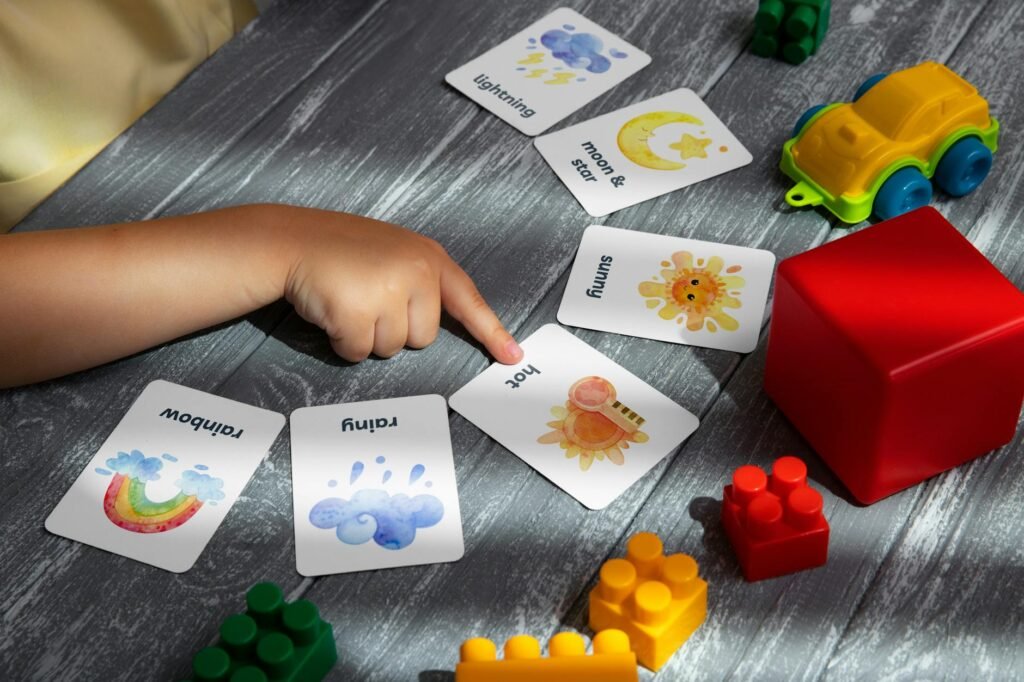
Best Printable Phonics Flashcards by Reading Stage
The best printable phonics flashcards are the ones that match your child’s current reading stage. A preschooler who is just learning letter sounds needs something very different from a first grader working on CVC words or an older child who still needs extra phonics support.
This guide breaks down the best printable phonics flashcards by stage so you can print what is actually useful now, skip what is too advanced, and build a simple daily practice routine that feels manageable at home.
Disclosure: This post may contain affiliate links. If you buy through them, we may earn a commission at no extra cost to you.
Quick Answer
- Preschool / pre-reader: start with printable alphabet flashcards and simple beginning sounds.
- Kindergarten: add consonant-vowel-consonant practice and easy printable CVC flashcards.
- First grade: move into blends, digraphs, and more automatic decoding.
- Struggling older readers: go back to the missing phonics pieces and rebuild in a clear sequence.
- If you want practical tips for daily use, see this printable phonics flashcards guide.
On this page
Related reading: How to Use Printable Phonics Flashcards Daily | Children Learning Reading Review
What to Print First
If you are starting from scratch, do not print every phonics card set you can find. That usually creates a giant pile of materials that never gets used. Instead, print the smallest set that matches your child’s current level.- For preschool / pre-readers: printable alphabet flashcards and beginning sound cards.
- For kindergarten: short-vowel cards, simple word family cards, and printable CVC flashcards.
- For first grade: digraph flashcards printable sets, blends, and common word patterns.
- For struggling readers: start below the frustration level and print only the cards for the specific sounds or patterns they still miss.
Best Printable Phonics Flashcards for Preschool / Pre-Reader
For preschoolers and other pre-readers, the best phonics flashcards are simple, visual, and focused on sound awareness rather than full reading. At this stage, you are not trying to rush your child into decoding books. You are helping them notice letters, sounds, and basic sound-picture connections. The most useful options here are:- Printable alphabet flashcards with one clear letter per card
- Beginning sound cards that connect sounds to familiar pictures
- Simple lowercase and uppercase matching cards
Best Phonics Flashcards for Kindergarten
Kindergarten is usually the stage where phonics flashcards become much more practical for actual reading growth. Many children are ready to move from single sounds into blending simple words. The best phonics flashcards for kindergarten usually include:- Letter-sound review cards for quick warmups
- Short vowel cards
- Printable CVC flashcards for words like cat, sit, and hop
- Simple word family cards such as -at, -an, and -op
Best Phonics Flashcards for First Grade
By first grade, many children need flashcards that go beyond the alphabet and simple CVC words. This is where more targeted phonics practice can really help. The best phonics flashcards for first grade often include:- Blends such as bl, st, and cr
- Digraph flashcards printable sets for sh, ch, th, and wh
- Long vowel patterns when your child is ready
- Review cards for tricky sound-spelling patterns
Best Phonics Flashcards for Struggling Older Readers
Phonics flashcards for struggling readers should feel respectful and focused, not babyish. Older children often need the same phonics building blocks as younger readers, but presented in a cleaner, more age-neutral way. What usually helps most:- Sound pattern cards for the exact gaps they still have
- Printable CVC flashcards if short-vowel decoding is still weak
- Digraph and blend cards for students who guess at words
- Targeted review sets instead of giant mixed decks
How to Use the Cards Daily
The best printable phonics flashcards only help if they actually get used. For most families, the sweet spot is a short daily routine that feels repeatable.- Pick 3 to 5 cards for the day.
- Review familiar cards first so your child starts with success.
- Add one new sound, pattern, or word set at a time.
- Say the sound together before asking your child to do it alone.
- Blend the sounds into simple words when your child is ready.
- Stop after 5 to 10 minutes while your child is still doing well.