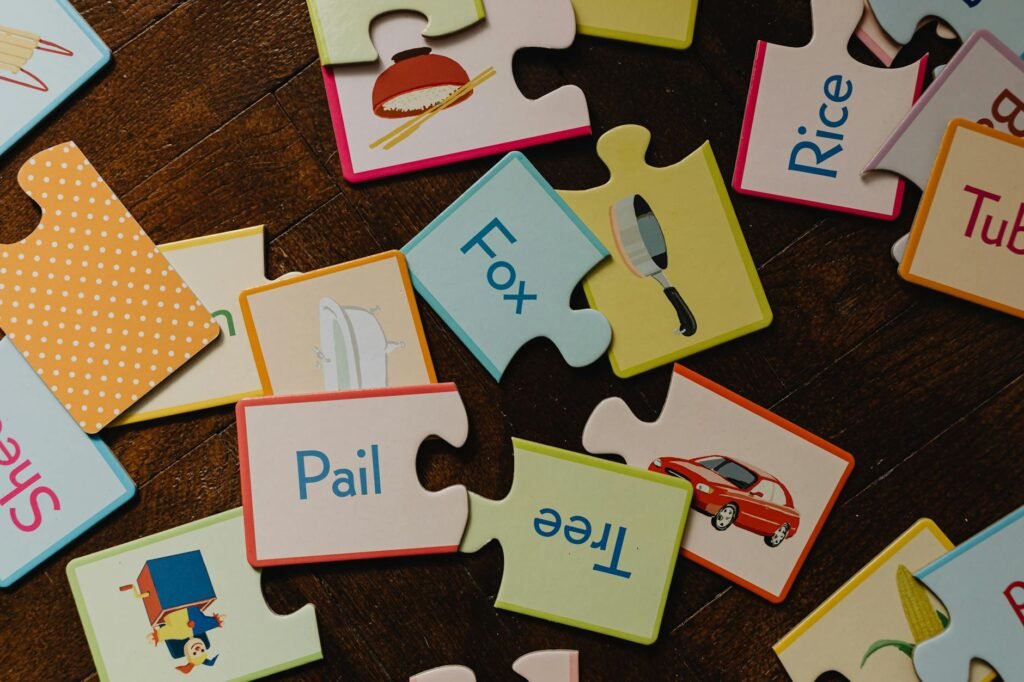
Phonics Flashcards vs Worksheets: What Works Better for Early Readers?
When you are helping a child learn to read at home, it is easy to wonder whether phonics flashcards or worksheets will work better. The honest answer is that both can help, but they do different jobs.
Printable phonics flashcards are often better for quick review, sound practice, and building automatic recognition. Worksheets usually work better when a child needs to slow down, write, match, trace, or apply what they know. The trick is using each one for the right purpose instead of expecting one tool to do everything.
Disclosure: This post may contain affiliate links. If you buy through them, we may earn a commission at no extra cost to you.
- Flashcards work better for quick sound review, short daily practice, and phonics warmups.
- Worksheets work better for written practice, matching, tracing, and reinforcing a new skill more slowly.
- For most families, the best phonics practice at home uses both.
- If you want a simple routine for using printable cards well, see this printable phonics flashcards guide.
Helpful next reads: How to Use Printable Phonics Flashcards Daily | First Grade Phonics Worksheets and Practice Plan | Children Learning Reading Review
How Flashcards and Worksheets Are Different
Phonics flashcards and worksheets are not really competing tools. They support different parts of the learning process.
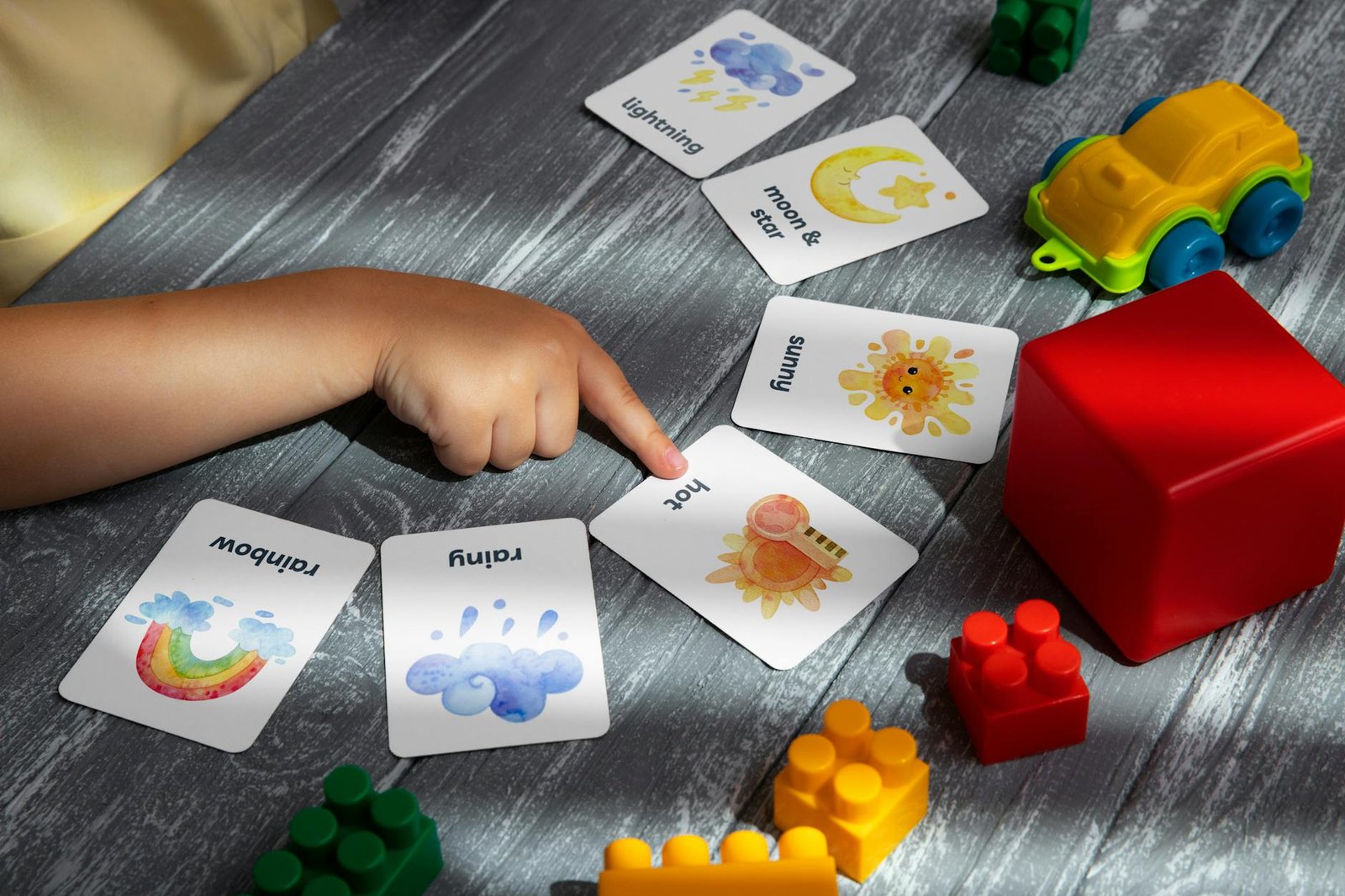
- Flashcards are fast. They help children review letter sounds, word families, blends, digraphs, and simple words in a quick, focused way.
- Worksheets are slower. They help children trace, circle, match, sort, write, and apply the same skills with more time to think.
If you think of flashcards as the quick oral practice and worksheets as the written follow-up, the comparison makes a lot more sense.
When Phonics Flashcards Work Better
Phonics flashcards work better when your child needs short, repeatable practice without sitting down for a long lesson. They are especially useful for phonics flashcards for kindergarten and other early readers who still need lots of repetition.
Flashcards are usually the better choice when you want to:
- review letter sounds quickly
- practice blending in short bursts
- do phonics activities for early readers without much setup
- fit phonics practice into 5 to 10 minutes
- build confidence through easy wins
They are also great when a child gets overwhelmed by full worksheets. A small set of printable phonics flashcards can feel much lighter and easier to repeat every day.
If you want a practical way to make them part of your routine, this guide on how to use printable phonics flashcards daily shows how to keep the sessions short and useful.
When Worksheets Work Better
Worksheets work better when your child needs more than quick oral review. They can slow things down in a good way and help a child process the skill with writing, matching, or hands-on application.
Worksheets are often the better choice when you want to:
- reinforce a new phonics pattern after introducing it
- practice tracing or writing letters and words
- give a child time to think through blending or matching tasks
- support first grade phonics worksheets routines with more structure
- see what your child can do independently
For many parents, phonics worksheets for first grade are especially helpful once a child is reading simple words but still needs practice with accuracy, spelling patterns, and written reinforcement. If that is your stage, this first grade phonics worksheets page gives a practical starting point.
Which Is Better for Kindergarten and First Grade?
For kindergarten, flashcards often win for consistency. They are easier to pull out, easier to repeat, and less likely to feel like formal schoolwork. That makes them a strong choice for quick daily phonics practice at home.
For first grade, worksheets usually become more useful because children are more ready for written tasks. Still, most first graders benefit from both: flashcards for review and speed, worksheets for applying what they know.
A simple way to think about it:
- Use flashcards first when teaching or reviewing a sound, blend, or word pattern.
- Use worksheets next when your child needs to practice the same pattern more deeply.
If you want a more complete step-by-step home system beyond mixing your own materials, this Children Learning Reading review may help you decide whether a structured phonics program would fit your family.
A Simple Weekly Routine Using Both
If you are choosing between phonics worksheets vs flashcards, the easiest answer is often: do both, but keep it simple.
Here is one parent-friendly weekly routine:
- Monday: 5 minutes of flashcards to review sounds or words, then one short worksheet.
- Tuesday: Flashcards only for a quick review.
- Wednesday: Flashcards plus one worksheet focused on the same sound pattern.
- Thursday: Flashcards, blending practice, or a simple phonics game.
- Friday: Quick review with flashcards, then a light worksheet or reading practice.
This kind of routine works because flashcards keep the skill active through the week, while worksheets add a little deeper practice without becoming overwhelming.
The goal is not to create a huge homeschooling schedule unless you want one. The goal is to make phonics practice at home feel repeatable and low-stress.
Final Thoughts
Phonics flashcards vs worksheets is not really an either-or decision for most early readers. Flashcards work better for quick review, oral practice, and building speed. Worksheets work better for written reinforcement, slower practice, and checking understanding.
If your child is just getting started, flashcards may be the easiest first step. If your child already knows some sounds and needs more structured follow-up, worksheets may help more. For many families, the best answer is to use flashcards for the daily warmup and worksheets for the deeper follow-through.