What Age Is Children Learning Reading Best For? A Parent Guide by Reading Stage
Parents often ask what age Children Learning Reading is best for, but reading readiness matters more than age alone. Two children who are the same age can need very different kinds of phonics support.
This guide looks at the program by reading stage so you can decide whether it makes sense for your preschooler, kindergartener, first grader, or older child who still needs decoding help.

- Children Learning Reading is usually a better fit for children who still need foundational phonics and blending support.
- It can work for preschool, kindergarten, or first grade depending on the child’s readiness and attention span.
- Reading stage matters more than birthday.
Related reading: Children Learning Reading review | First grade phonics worksheet plan
Why Reading Stage Matters More Than Age
Some children are ready for simple sound work early. Others need more time, more play-based learning, or shorter sessions before formal phonics starts to stick. That is why the better question is not “What age should I start?” but “Is my child ready for short, repeated sound practice and blending?”
Preschoolers and Pre-Readers
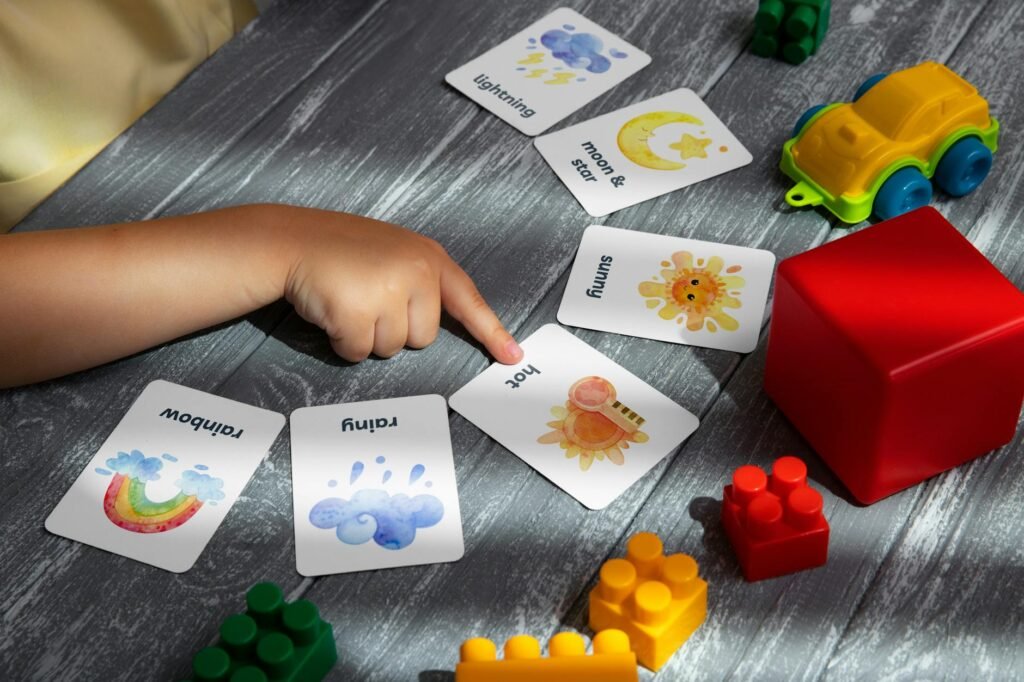
For preschool-aged children, the best fit depends on attention span and readiness. A child who enjoys rhymes, letter sounds, and short parent-led activities may do well. A child who resists sitting still may do better with lighter phonics games, songs, and flashcard play first.
If your preschooler is just starting, keep expectations simple: sound awareness, short sessions, and a playful tone matter more than speed.
Kindergarten and Early Readers
Kindergarten is often where a more structured phonics routine becomes especially useful. Many children at this stage can handle short direct lessons, basic blending, and repetition that builds confidence over time.
If your child is in kindergarten and needs a clearer home reading routine, this is often the age range where a program like Children Learning Reading starts to feel most useful.
First Grade and Catch-Up Readers
First graders who are still shaky with letter sounds, blending, or early decoding can also be a strong fit. At this stage, pairing a structured phonics program with written reinforcement often works well.
That is where a short worksheet routine like this first grade phonics practice plan can help reinforce what your child is learning.
Signs Your Child Is Ready
- They can focus for short 5 to 10 minute activities.
- They show interest in letters, sounds, rhyming, or simple word play.
- They can tolerate repetition without becoming completely frustrated.
- They benefit from direct parent guidance instead of random printable activities alone.
If your child is not there yet, that does not mean you are behind. It may just mean you should start with lighter sound games, movement, and short flashcard review before leaning on a full program.
FAQ
Is Children Learning Reading good for 4-year-olds?
It can be, if the child is ready for short structured phonics sessions. Reading readiness matters more than age.
Is it too basic for first graders?
Not if the child still needs support with decoding and foundational phonics. First grade catch-up readers may still benefit.
What if my child hates worksheets?
That is fine. Start with oral practice, flashcards, games, and short lessons before adding written work later.
Final Take
The best age for Children Learning Reading is really the stage where your child is ready for short, structured phonics practice and still needs foundational reading support. If that is your child right now, it can be a strong fit even if their age does not match someone else’s timeline.